
Why Does My Lower Back Hurt After a Car Accident? How a Chiropractor Helps in Hinsdale
Short answer: Lower back pain after a car accident usually comes from a sprain or strain of the joints, ligaments, and muscles of the low back. The force of the crash goes through your seat and seat belt, and your back muscles brace hard to protect you. That pain often doesn’t show up until 24 to 72 hours later, after the adrenaline wears off and inflammation builds. Getting checked early matters, because research shows people who hurt their low back in a crash are more than twice as likely to have back pain down the road. At Adisi Health Center in Hinsdale, Dr. Steve Petzel evaluates and treats lower back pain after a car accident with chiropractic care and advanced therapies, and provides clear documentation for personal injury cases.
Why does my lower back hurt after a car accident?
Most people think of the neck when they think of car accident injuries, but your low back takes a lot of the force too. Here’s what happens to it in a crash:
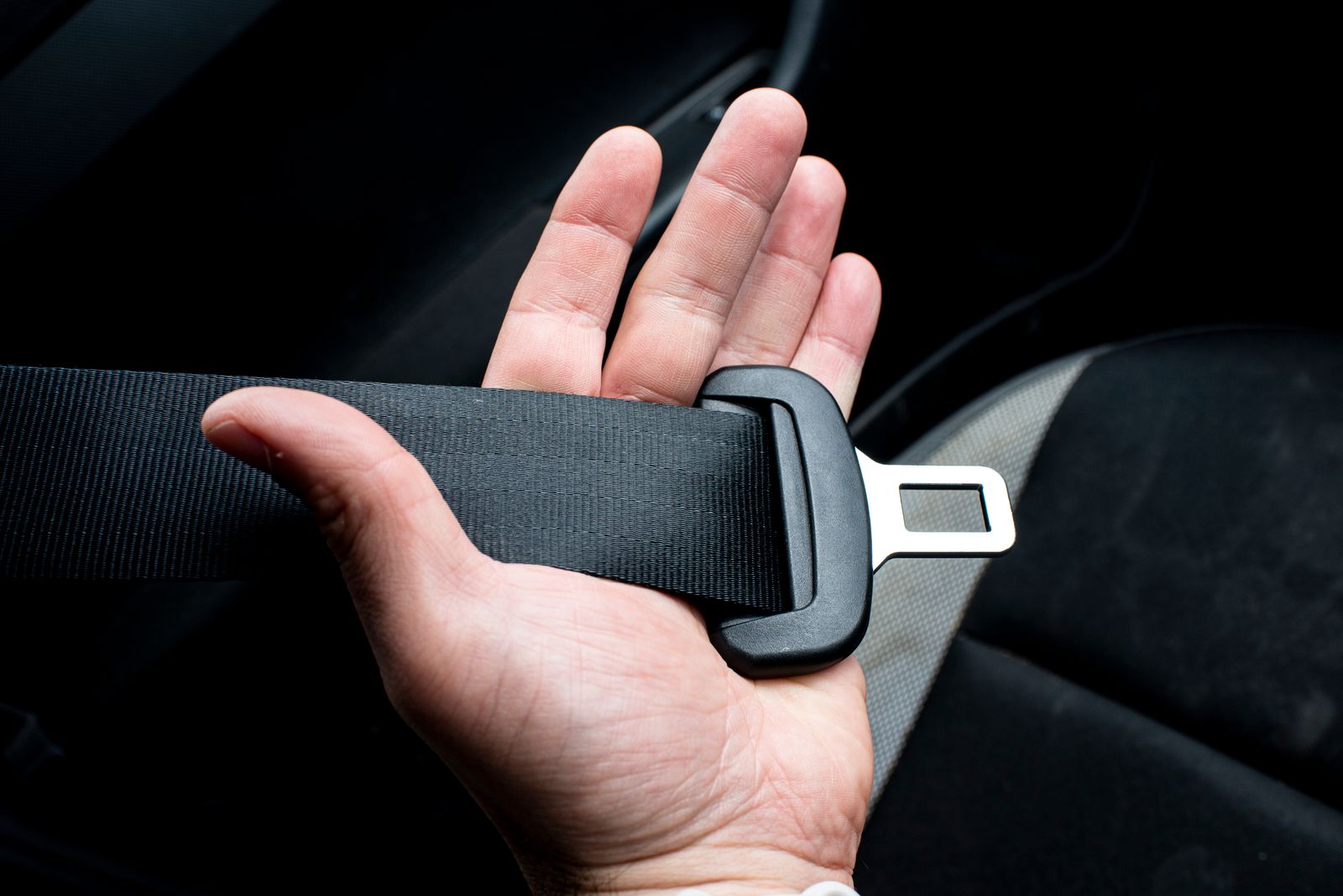
- Your body moves and the seat belt holds you. In a rear-end or front-end collision, your torso is thrown forward and back while the lap belt holds your pelvis in place. That puts the joints and ligaments of the lumbar spine under sudden strain.
- Your muscles brace. If you saw the crash coming, you probably tensed up or pushed hard on the brake. Muscles that tighten that fast can strain, and they often stay guarded for days.
- Side impacts twist the spine. A T-bone collision can bend and rotate your low back in a way it isn’t built to move.
- Small joints get jammed. The facet joints at the back of each vertebra can be irritated, leaving the low back stiff and painful when you bend, twist, or stand up from a chair.
Even a “minor” fender bender in a parking lot or on Ogden Avenue can cause this. Low vehicle damage doesn’t always mean a low-force injury to your body.

What does low back pain after a car accident feel like?
People describe it in different ways:
- A dull ache or tightness across the belt line, on one or both sides
- Sharp pain when you bend forward, twist, or get in and out of the car
- Stiffness first thing in the morning or after sitting for a while
- Muscle spasm that makes it hard to stand up straight
- Soreness where the lap belt crossed your hips or pelvis
- Pain, tingling, or numbness down a leg, which can mean an irritated nerve (see our post on sciatica)
Why does the pain show up days later?
This is one of the most common things we hear: “I felt fine at the scene, but two days later I could barely get out of bed.”
Right after a crash, adrenaline can mask pain. Over the next 24 to 72 hours, inflammation builds in the injured tissue, and the muscles around it tighten to protect it. That’s when the stiffness and pain set in. It’s also why waiting to “see if it goes away” can turn a minor injury into months of flare-ups.
Can lower back pain after a car accident become a long-term problem?
It can, which is why early care matters. Two studies by the same research team looked at this question:
- More than double the risk. A 2020 systematic review and meta-analysis found that people injured in a motor vehicle collision had about 2.7 times the risk of future low back pain compared with people who weren’t (Nolet et al., Accident Analysis & Prevention, 2020; PubMed 32438092). The review also notes that at least 31% of injured people still have low back pain a year after the crash.
- Even after you feel recovered. A population-based study of 789 adults found that people who had injured their low back in a car accident, and had mostly recovered, were still about 2.2 times more likely to develop troublesome low back pain over the next year (Nolet et al., European Spine Journal, 2018; PubMed 28391385).
The takeaway isn’t that back pain is inevitable. It’s that a back injured in a crash deserves a proper exam and a plan, not just rest and hoping.
How does a chiropractor help lower back pain after a car accident?
At Adisi Health Center, care starts with finding out exactly what was injured, then restoring motion and calming the irritated tissue.
Chiropractic adjustments help restricted joints in the low back move again. A large review in JAMA of 26 randomized trials found that spinal manipulation was associated with improvements in pain and function for acute low back pain (pain of 6 weeks or less), with no serious adverse events reported in the trials (Paige et al., JAMA, 2017; PubMed 28399251). Dr. Petzel is trained in several adjusting techniques, including Impulse instrument adjusting, and picks the approach that fits your exam and comfort level.
For strained muscles and irritated soft tissue, Dr. Petzel can add advanced therapies in the same office:
- Class IV Laser (LightForce) to help reduce inflammation and muscle spasm
- Winback TECAR to create deep warmth in tight, guarded back muscles (see also TECAR for a stiff, aching low back)
- EMTT (Storz Magnetolith), magnetic pulses that reach deep soft tissue without contact
- Shockwave therapy for scar tissue or tendon problems that linger after an injury
You’ll also get home guidance and exercises to help your back get stronger and keep moving well. The goal is to get you back to driving, work, exercise, and sleep without relying on long-term medication.
What happens at your first visit after a car accident?
- Accident history. How the collision happened, where you were sitting, and what you’ve felt since.
- Exam. Orthopedic, neurological, and range-of-motion testing of your low back, hips, and legs, plus screening for anything that needs a different kind of care.
- Clear findings and a care plan. Dr. Petzel explains what he found and what he recommends.
- Treatment, often the same day, along with guidance for home.
You see Dr. Petzel at every visit, and same-week appointments are often available. If you have X-rays or an MRI from the ER or urgent care, bring them. Keep in mind that normal ER X-rays don’t rule out injury: X-rays show bone, and soft-tissue injuries don’t appear on them.
Do you help with personal injury claims?
Yes. A clear exam, diagnosis, treatment plan, and progress notes support medical necessity, which is why early evaluation matters for documentation as well as for your back. Adisi Health Center provides litigation-ready clinical documentation, works with Illinois personal injury cases (including medical-lien arrangements when appropriate), and can coordinate records with your attorney. This is healthcare, not legal advice. Learn more on our personal injury and auto accident care page.
If you hurt your back in a crash while driving for work, see our guide on workers’ comp chiropractic care.
What if my neck and back both hurt after the accident?
That’s common. Many people have whiplash in the neck along with low back pain, plus sore shoulders or hips. Your exam covers all of it. If several areas are hurting and it’s affecting your sleep or work, our Recovery Memberships are an accelerated recovery option that lets you combine up to 4 therapies per visit, so every injured area gets treated together.
What can I do at home for lower back pain after a car accident?
- Stay gently active. Short walks are usually better than lying in bed all day.
- Change positions often. Get up every 30 to 45 minutes if you’re sitting at a desk or driving.
- Use ice or heat, whichever feels better, for 15 to 20 minutes at a time.
- Avoid heavy lifting and twisting until you’ve been checked.
- Keep a simple log of your symptoms and when they started. It helps your exam and your records.
- Do the exercises Dr. Petzel gives you for your specific findings.
When should I go to the ER instead?
Call 911 or go to the emergency room if you have back pain after a crash along with loss of bladder or bowel control, numbness in the groin or inner thighs, progressive weakness in your legs, severe headache, loss of consciousness, chest pain, or shortness of breath. Also get prompt medical imaging if the crash was high speed, if you have severe pain over the spine itself, or if you have osteoporosis or are older and the pain is sharp and constant, since those raise the chance of a fracture. We screen every patient and will tell you if you need a different kind of care first.
Frequently asked questions
Why does my lower back hurt after a car accident?
The force of a crash goes through your seat and seat belt while your muscles brace hard, which can sprain or strain the joints, ligaments, and muscles of the low back. Side impacts can also twist the spine.
Is it normal for back pain to start days after a car accident?
Yes. Adrenaline can mask pain at first, and soft-tissue injuries often flare 24 to 72 hours after a crash as inflammation builds. That’s why it’s best to get checked even if you felt fine at the scene.
How soon should I see a chiropractor after a car accident?
Ideally within 72 hours, but it’s still worthwhile weeks later if your back hasn’t settled down.
My ER X-rays were normal. Can I still have a back injury?
Yes. X-rays show bone, and soft-tissue injuries like sprains and strains don’t appear on them. An orthopedic and neurological exam looks at how your back moves and what’s irritated.
Can a chiropractor help lower back pain after a car accident?
Yes. Chiropractic adjustments help restricted joints move again, and a large JAMA review found spinal manipulation was associated with improvements in pain and function for acute low back pain. At Adisi Health Center, adjustments can be combined with Class IV Laser, Winback TECAR, EMTT, and shockwave therapy.
Can a car accident cause back problems later on?
It can. Research has found that people who injure their low back in a crash are more than twice as likely to have low back pain later, even after they feel recovered. A proper exam and plan help you recover well.
Do you work with personal injury attorneys?
Yes. We provide clinical documentation, coordinate records with your attorney, and work with Illinois personal injury cases, including medical-lien arrangements when appropriate.
Do you see patients from outside Hinsdale?
Yes. Patients come to 534 Chestnut Street, Suite 240 in downtown Hinsdale from Oak Brook, Burr Ridge, Clarendon Hills, Western Springs, Downers Grove, Westmont, La Grange, and nearby towns. We also have pages for chiropractic care in Burr Ridge, Clarendon Hills, Western Springs, and La Grange.
Related reading: Car accident injuries in Hinsdale: when to see a chiropractor, chiropractic care in Hinsdale, back pain treatment, sciatica treatment, whiplash treatment, and conditions we treat
Next step
If your back hasn’t felt right since a crash, you can book a visit at adisihealth.com/schedule-an-appointment or call (630) 887-1900.
References
- Nolet PS, Emary PC, Kristman VL, Murnaghan K, Zeegers MP, Freeman MD. Exposure to a motor vehicle collision and the risk of future back pain: A systematic review and meta-analysis. Accid Anal Prev. 2020;142:105546. PubMed 32438092
- Nolet PS, Kristman VL, Côté P, Carroll LJ, Cassidy JD. The association between a lifetime history of low back injury in a motor vehicle collision and future low back pain: a population-based cohort study. Eur Spine J. 2018;27(1):136-144. PubMed 28391385
- Paige NM, Miake-Lye IM, Booth MS, et al. Association of Spinal Manipulative Therapy With Clinical Benefit and Harm for Acute Low Back Pain: Systematic Review and Meta-analysis. JAMA. 2017;317(14):1451-1460. PubMed 28399251
This article is for education only and is not medical or legal advice. Results vary. Information is current as of November 2026.
