
How Many Shockwave Therapy Sessions Do I Need? A Condition-by-Condition Guide in Hinsdale
By Dr. Steve Petzel, DC, Adisi Health Center, Hinsdale, IL
Most people need about 6 shockwave therapy sessions, spaced roughly one week apart, for chronic tendon and heel pain. At Adisi Health Center in Hinsdale, Dr. Steve Petzel builds each shockwave plan around your exam, so the exact number depends on your condition, how long you’ve had it, and how your tissue responds.
“How many sessions will I need?” is the first question almost everyone asks when they look up shockwave therapy in Hinsdale or search “shockwave therapy near me.” It’s a fair question. You want to know what you’re signing up for before you start. Patients come to our office at 534 Chestnut Street from Hinsdale, Clarendon Hills, Oak Brook, Western Springs, and Burr Ridge, and this is the answer I give them, along with what the research says.
What is shockwave therapy?
Shockwave therapy (extracorporeal shockwave therapy, or ESWT) is a non-invasive treatment that sends acoustic pressure waves into a painful tendon, fascia, or muscle to kick-start the body’s own repair process. At Adisi Health Center we use Storz Medical radial and focused shockwave devices. If you’re curious how the two differ, see radial vs. focused shockwave.
How many shockwave therapy sessions do I need in Hinsdale?
For most chronic conditions, our standard protocol is 6 sessions. Each follow-up session takes about 20 minutes, and sessions are usually spaced about a week apart. That means most plans run around six weeks from start to finish.
Why six? Shockwave works by triggering a healing response, not by numbing pain. Each session adds to that response. Spacing visits about a week apart gives the tissue time to react and remodel between treatments.

Most shockwave plans in Hinsdale follow a simple weekly rhythm over about six weeks.
Does the number of shockwave sessions depend on the condition?
Yes. Research protocols have used anywhere from 2 to 3 sessions on up, and a 2015 systematic review in the American Journal of Sports Medicine noted that the number of sessions, energy level, and number of pulses varied from study to study (Mani-Babu et al., 2015). In practice, things that can change your plan include:
- How long you’ve had the pain. A problem that has lingered for a year or more often needs the full series.
- Which tissue is involved. Fascia, tendon, and calcium deposits each respond a bit differently.
- How much load you put on it. Runners, people who stand all day, and weekend athletes keep stressing the area between visits.
- Whether you do your home exercises. Shockwave plus the right exercise tends to beat either one alone (more on that below).
How many shockwave sessions are used for each condition in the research?
Here is a quick look at what published studies used and found. These are research protocols, not a promise of your exact plan.
| Condition | Sessions in the study | What the study found |
|---|---|---|
| Plantar fasciitis (heel pain) | 3 radial sessions | Better pain scores than placebo in 245 patients (Gerdesmeyer 2008) |
| Plantar fasciitis (heel pain) | 2 weekly radial sessions | Pain relief that held up at 2 years (Ibrahim 2017) |
| Tennis elbow | 3 weekly sessions | 61% got at least 50% pain relief at 12 weeks vs. 29% on placebo (Pettrone & McCall 2005) |
| Calcific shoulder tendinitis | 2 sessions about 2 weeks apart | Better shoulder function, less pain, and smaller calcium deposits than placebo (Gerdesmeyer 2003, JAMA) |
| Achilles tendinopathy (midportion) | Shockwave added to calf exercises | 82% much improved or recovered at 4 months vs. 56% with exercise alone (Rompe 2009) |
| Outer hip pain (greater trochanteric pain syndrome) | Low-energy shockwave | Much lower pain than the non-shockwave group at 1, 3, and 12 months (Furia 2009) |
You can read more about each one in our posts on plantar fasciitis, tennis elbow, calcific shoulder tendinitis, Achilles tendinitis, and hip bursitis.
How often is shockwave therapy done?
Usually once a week. Most patients return to their normal daily activities right after each visit. Weekly spacing is what most research protocols used, and it fits easily into a work schedule, whether you’re coming from downtown Hinsdale or a few minutes away in Westmont or La Grange.
When will I feel a difference after shockwave therapy?
Some people notice less pain after the first two or three visits. Others feel the biggest change in the weeks after their series ends, because the tissue keeps remodeling. In the tennis elbow and plantar fasciitis studies above, results were measured at 12 weeks and beyond, not right after the last session. For a heel-pain timeline, see how long shockwave takes to work for plantar fasciitis.
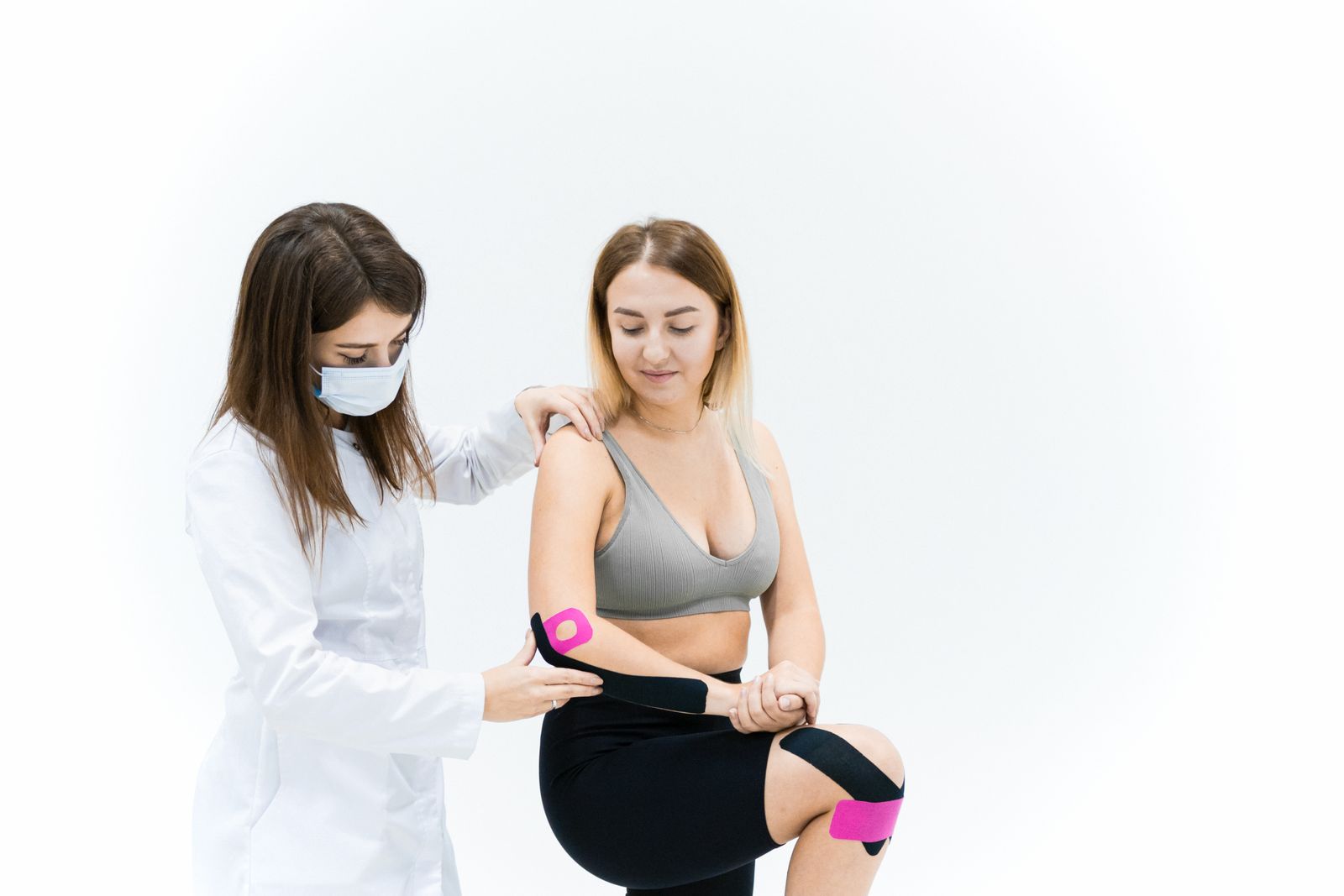
Each follow-up visit is a chance to recheck how the area is responding.
What can I do to get more out of each session?
Pair shockwave with the right exercise. In the Achilles study above, adding shockwave to calf loading exercises produced clearly better results at four months than exercise alone (Rompe 2009). We cover this in more depth in shockwave therapy plus exercise for tendon recovery. Other simple habits help too:
- Keep your weekly appointments on schedule.
- Do your home exercises between visits.
- Tell us what activities flare your pain, so we can adjust your plan.
Is shockwave therapy safe?
Shockwave therapy is non-invasive and well tolerated. Most patients feel only mild discomfort during treatment, and there’s no downtime. Some people feel temporary soreness or redness in the treated area. Shockwave isn’t right for everyone. For example, it’s typically avoided over the abdomen or low back during pregnancy, over open wounds or active infection, over tumors, and in people with certain bleeding disorders or on blood thinners. That’s why Dr. Petzel does a full exam and health history first. Read more in Is shockwave therapy safe? and Does shockwave therapy hurt?
Where can I get shockwave therapy near me in Hinsdale?
Adisi Health Center offers radial and focused shockwave therapy in downtown Hinsdale, a short drive from Oak Brook, Clarendon Hills, Western Springs, Burr Ridge, Downers Grove, Westmont, and La Grange. No referral is needed. Learn more on our shockwave therapy page.
Adisi Health Center
534 Chestnut Street, Suite 240
Hinsdale, IL 60521
(630) 887-1900
Frequently asked questions
How many shockwave therapy sessions do I need?
Most people with chronic tendon or heel pain need about 6 sessions spaced about a week apart. At Adisi Health Center in Hinsdale, Dr. Petzel sets your exact plan after an exam.
How long is each shockwave session?
Follow-up shockwave sessions at our Hinsdale office take about 20 minutes.
How often is shockwave therapy done?
Usually once a week. That spacing gives the tissue time to respond between treatments.
Do different conditions need a different number of sessions?
Yes. Studies have used different session counts for heel pain, tennis elbow, calcific shoulder tendinitis, and other conditions. How long you’ve had the problem and how much you load it also matter.
When will I feel results from shockwave therapy?
Some people feel better within the first few visits, while others notice the biggest change in the weeks after the series ends as the tissue keeps healing.
I live in Western Springs. How many trips to Hinsdale will shockwave therapy take?
Most plans involve about 6 weekly visits to our office at 534 Chestnut Street in Hinsdale, which is a short drive from Western Springs, Oak Brook, and Clarendon Hills.
Can I go back to my normal routine between sessions?
Most patients return to normal daily activities right after each session. Dr. Petzel will tell you if any specific activity should be scaled back while you heal.
If you’re dealing with stubborn heel, elbow, shoulder, or hip pain, we’d be glad to see you. You can book a visit or call (630) 887-1900.
References
- Gerdesmeyer L, et al. Radial extracorporeal shock wave therapy is safe and effective in the treatment of chronic recalcitrant plantar fasciitis. Am J Sports Med. 2008. PubMed 18832341
- Ibrahim MI, et al. Long-term results of radial extracorporeal shock wave treatment for chronic plantar fasciopathy. J Orthop Res. 2017. PubMed 27567022
- Pettrone FA, McCall BR. Extracorporeal shock wave therapy without local anesthesia for chronic lateral epicondylitis. J Bone Joint Surg Am. 2005. PubMed 15930540
- Gerdesmeyer L, et al. Extracorporeal shock wave therapy for the treatment of chronic calcifying tendonitis of the rotator cuff. JAMA. 2003. PubMed 14625334
- Rompe JD, Furia J, Maffulli N. Eccentric loading versus eccentric loading plus shock-wave treatment for midportion Achilles tendinopathy. Am J Sports Med. 2009. PubMed 19088057
- Furia JP, Rompe JD, Maffulli N. Low-energy extracorporeal shock wave therapy as a treatment for greater trochanteric pain syndrome. Am J Sports Med. 2009. PubMed 19439756
- Mani-Babu S, et al. The effectiveness of extracorporeal shock wave therapy in lower limb tendinopathy: a systematic review. Am J Sports Med. 2015. PubMed 24817008
