
What to Do After a Shockwave Therapy Session: Aftercare Tips from a Hinsdale Chiropractor
By Dr. Steve Petzel, DC, Adisi Health Center, Hinsdale, IL
After a shockwave therapy session, you can go right back to your normal day. Mild soreness is common and temporary. At Adisi Health Center in Hinsdale, Dr. Steve Petzel, DC, recommends avoiding high-impact activity for 24 to 48 hours, staying gently active, doing your home exercises, and keeping your weekly sessions on schedule.
One of the most common questions we hear in Hinsdale after someone’s first shockwave visit is, “Okay, now what?” Whether you came in for plantar fasciitis, tennis elbow, a stubborn shoulder, or an Achilles that won’t settle down, what you do in the days between sessions can help you get the most out of your treatment. This guide covers shockwave therapy aftercare in Hinsdale: what’s normal, what to avoid, and when to call. It’s written for patients from Hinsdale, Oak Brook, Burr Ridge, Clarendon Hills, Western Springs, and Downers Grove, and for anyone searching “shockwave therapy near me” who wants to know what recovery actually looks like.
What is shockwave therapy?
Shockwave therapy (extracorporeal shockwave therapy, or ESWT) is a non-invasive treatment that sends acoustic pressure waves into a painful tendon or tissue to restart the body’s own healing response. At Adisi Health Center we use FDA-cleared Storz Medical radial and focused shockwave devices. There are no needles, no medication, and no surgery.
Because shockwave works by stimulating healing rather than masking pain, the days after a session are part of the treatment. That’s why aftercare matters.
Is it normal to be sore after shockwave therapy?
Yes. Some tenderness, redness, or a dull ache in the treated area for a day or two is normal and is a common sign the tissue was stimulated. In a large randomized trial of focused shockwave for chronic plantar fasciitis, the only device-related side effects were temporary pain and swelling during and after treatment (Gollwitzer 2015). A trial of radial shockwave for plantar fasciitis reported no relevant side effects at all (Gerdesmeyer 2008).
What’s normal after a session:
- Mild soreness or a bruised feeling in the treated spot
- Some redness of the skin
- Feeling a little more aware of the area for a day or so
- Sometimes, noticeably less pain right away, which is a good sign, but not a reason to overdo it
What should you not do after shockwave therapy?
The short version: move, but don’t pound on it. Our shockwave page recommends avoiding high-impact activity for 24 to 48 hours after each session. Here’s a simple guide for the first two days:
| In the first 24–48 hours | Generally fine | Hold off |
|---|---|---|
| Daily activity | Work, errands, driving, normal walking | Long days on your feet if they flare your pain |
| Exercise | Easy walking, gentle range of motion, light stretching | Running, jumping, sprinting, heavy lifting with the treated area |
| Sports | Light practice movements if pain-free | Full pickleball, tennis, golf, or basketball sessions |
| The treated tendon | Your prescribed home exercises | Pushing through sharp pain “to test it” |
After 48 hours, most people can gradually return to their usual activities. If your heel, elbow, or shoulder feels great after a session, that’s encouraging. Still, ease back in. Tendons heal over weeks, and a pain-free day doesn’t mean the tissue is fully remodeled yet.
Can I walk or exercise after shockwave therapy?
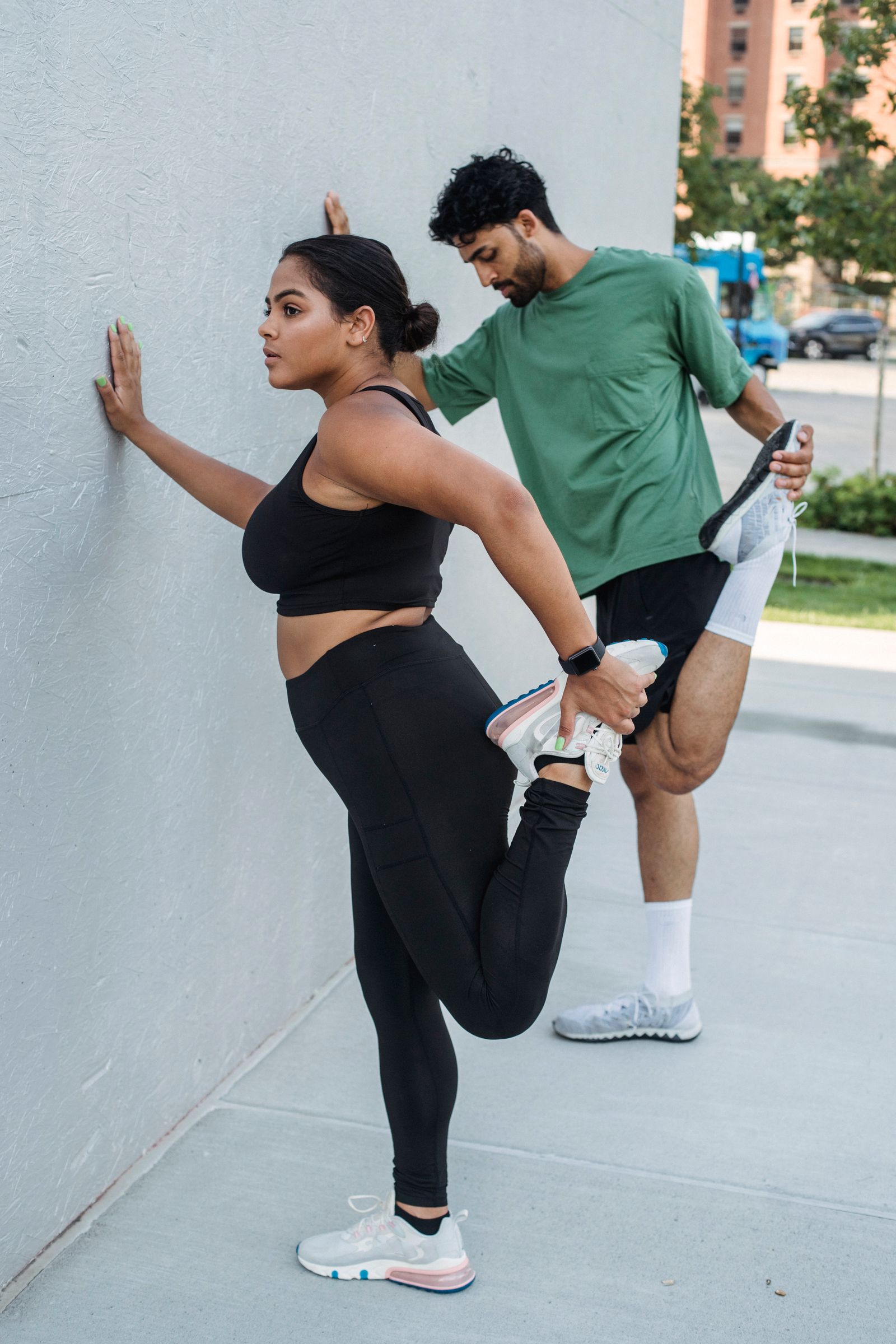
Yes. There’s no downtime, and most patients return to normal activities right after treatment. Gentle movement is actually helpful because tendons respond to load.
Research shows that pairing shockwave with the right exercises often works better than either one alone:
- In 152 people with chronic heel pain, shockwave plus a plantar fascia-specific stretching program led to significantly better function and less first-step morning pain at 2 and 4 months than shockwave alone. 59% were satisfied with treatment, compared with 32% who had shockwave alone (Rompe 2015).
- In 68 people with chronic Achilles tendon pain, adding shockwave to an eccentric (slow-lowering) calf exercise program helped 82% report being completely recovered or much improved at 4 months, compared with 56% who did the exercises alone (Rompe 2009).
That’s why Dr. Petzel usually pairs your shockwave sessions with simple home exercises for your specific condition. For more on this, read should you exercise during shockwave therapy?
Should I ice or take ibuprofen after shockwave therapy?
This is worth asking at your visit. Shockwave works by kick-starting your body’s own healing response, so many shockwave providers suggest skipping ice and anti-inflammatory medication (like ibuprofen or naproxen) for a short time after treatment rather than reaching for them right away. If the soreness bothers you, ask Dr. Petzel what’s appropriate for you.
Never stop or change a medication your doctor prescribed without talking to them first, especially blood thinners.
How soon will I feel better after shockwave therapy?
Some people feel some relief after the first session. Most notice the bigger changes over several weeks, because the tissue keeps healing between visits. Our patients often report significant improvement by sessions 3 to 4, with the best results after completing the full protocol.
Two things help the most:
- Keep your sessions about a week apart. Research reviews of shockwave describe protocols with sessions spaced about one week apart (Schmitz 2015), and that’s how we typically schedule them.
- Don’t judge it too early. In the radial plantar fasciitis trial above, the benefit was even more pronounced at 12 months than at 12 weeks (Gerdesmeyer 2008).
For timelines by condition, see how many shockwave sessions do I need? and how long does shockwave take to work for plantar fasciitis?
A simple shockwave aftercare checklist for Hinsdale patients
- Day of treatment: go about your normal day; walk normally; skip runs, jumps, and heavy lifting.
- First 24–48 hours: avoid high-impact activity; expect mild soreness; ask before using ice or anti-inflammatories.
- Between sessions: do your home exercises; wear supportive shoes if you’re being treated for heel or foot pain; notice which activities flare your pain and tell us at your next visit.
- Through the full series: keep your weekly appointments and keep easing back into the activities you love.
Can I have shockwave if I recently had a cortisone shot?
Yes, but timing matters. Patients must wait at least 6 weeks after their last cortisone shot before shockwave treatment. Let us know about any recent injections when you book, and avoid scheduling a cortisone shot in the middle of your shockwave series without talking to Dr. Petzel first.
Who should not have shockwave therapy?
Shockwave is very low risk, and a systematic review of the research concluded it is effective and safe for orthopedic conditions (Schmitz 2015). It still isn’t for everyone. It’s commonly avoided or postponed with:
- Pregnancy
- Cancer or a tumor in or near the treatment area
- A bleeding disorder or blood-thinning medication (this needs to be discussed first)
- An infection, open wound, or skin condition over the area
- A pacemaker or other implanted device near the area
- A cortisone shot in the last 6 weeks
- Pain that suggests something more serious, like a fracture, nerve problem, or circulation issue
For the full picture, read is shockwave therapy safe?
When should I call after a shockwave session?
Call us at (630) 887-1900 if you notice:
- Pain that is getting steadily worse instead of better after 2 to 3 days
- Significant swelling, bruising, or skin changes that don’t fade
- New numbness, tingling, or weakness
Seek urgent care right away for severe pain with fever, a hot red swollen area, sudden inability to bear weight, or calf swelling with redness or shortness of breath.
Where can I get shockwave therapy near me in Hinsdale?
Adisi Health Center is at 534 Chestnut Street, Suite 240, Hinsdale, IL 60521, (630) 887-1900, a short drive from Oak Brook, Burr Ridge, Clarendon Hills, Western Springs, and Downers Grove. Dr. Steve Petzel, DC, has served Hinsdale since 2012 and offers both radial and focused shockwave on site. No referral is needed, and your first visit starts with an exam to make sure shockwave is the right fit. Learn more on our shockwave therapy page.
Frequently asked questions
What should you not do after shockwave therapy?
Avoid high-impact activity like running, jumping, and heavy lifting with the treated area for 24 to 48 hours. Normal daily activity and easy walking are fine.
Is it normal to be sore after shockwave therapy?
Yes. Mild soreness, tenderness, or redness in the treated area for a day or two is common and temporary.
Can I walk after shockwave therapy for plantar fasciitis?
Yes. There’s no downtime, and normal walking is fine. Hold off on running or long, high-impact days for 24 to 48 hours, and keep up your stretching program.
Should I ice or take ibuprofen after shockwave therapy?
Ask Dr. Petzel at your visit. Because shockwave works by stimulating healing, many providers suggest avoiding ice and anti-inflammatory medicine for a short time after treatment. Never stop a prescribed medication without talking to your doctor.
How soon will I feel better after shockwave therapy?
Some people feel relief after the first session, but most notice bigger changes over several weeks. Patients often report significant improvement by sessions 3 to 4, with the best results after the full protocol.
How long after a cortisone shot can I have shockwave therapy?
Wait at least 6 weeks after your last cortisone shot before starting shockwave treatment.
I live in Downers Grove. Where can I get shockwave therapy near me?
Adisi Health Center at 534 Chestnut Street, Suite 240, in Hinsdale offers radial and focused shockwave therapy, a short drive from Downers Grove, Oak Brook, and Western Springs. No referral is needed.
If you have questions about your shockwave recovery, or you’re ready to find out whether shockwave is right for you, book a visit or call (630) 887-1900.
