
Do Shin Splints Go Away? Shockwave Therapy for Shin Splints in Hinsdale
Short answer: Most mild shin splints settle down with rest and smarter training, but shin splints that keep coming back every time you run or walk often need more than rest. Shockwave therapy for shin splints helps the irritated tissue along your shinbone heal, and in one study 76% of runners and athletes treated with shockwave plus home exercise were fully recovered or much improved, compared with 37% who did the exercises alone. At Adisi Health Center in Hinsdale, Dr. Steve Petzel treats shin splints with Storz Medical radial and focused shockwave, and you can start with our $249 New Patient Special, which includes your exam and first shockwave treatment. Call (630) 887-1900.
What are shin splints?
“Shin splints” is the everyday name for medial tibial stress syndrome, pain along the inside edge of the shinbone (tibia), usually in the lower half of the leg. Repeated pounding irritates the muscles that attach there and the bone they pull on, and the area gets sore and tender to the touch.
We see shin splints often in Hinsdale, Western Springs, Downers Grove, La Grange, and nearby suburbs in people who:
- Started running or are training for a first 5K, half, or marathon
- Ramped up mileage or speed too quickly
- Play tennis, pickleball, basketball, or soccer
- Walk or stand on hard floors for long shifts
- Switched shoes or moved from the treadmill to pavement
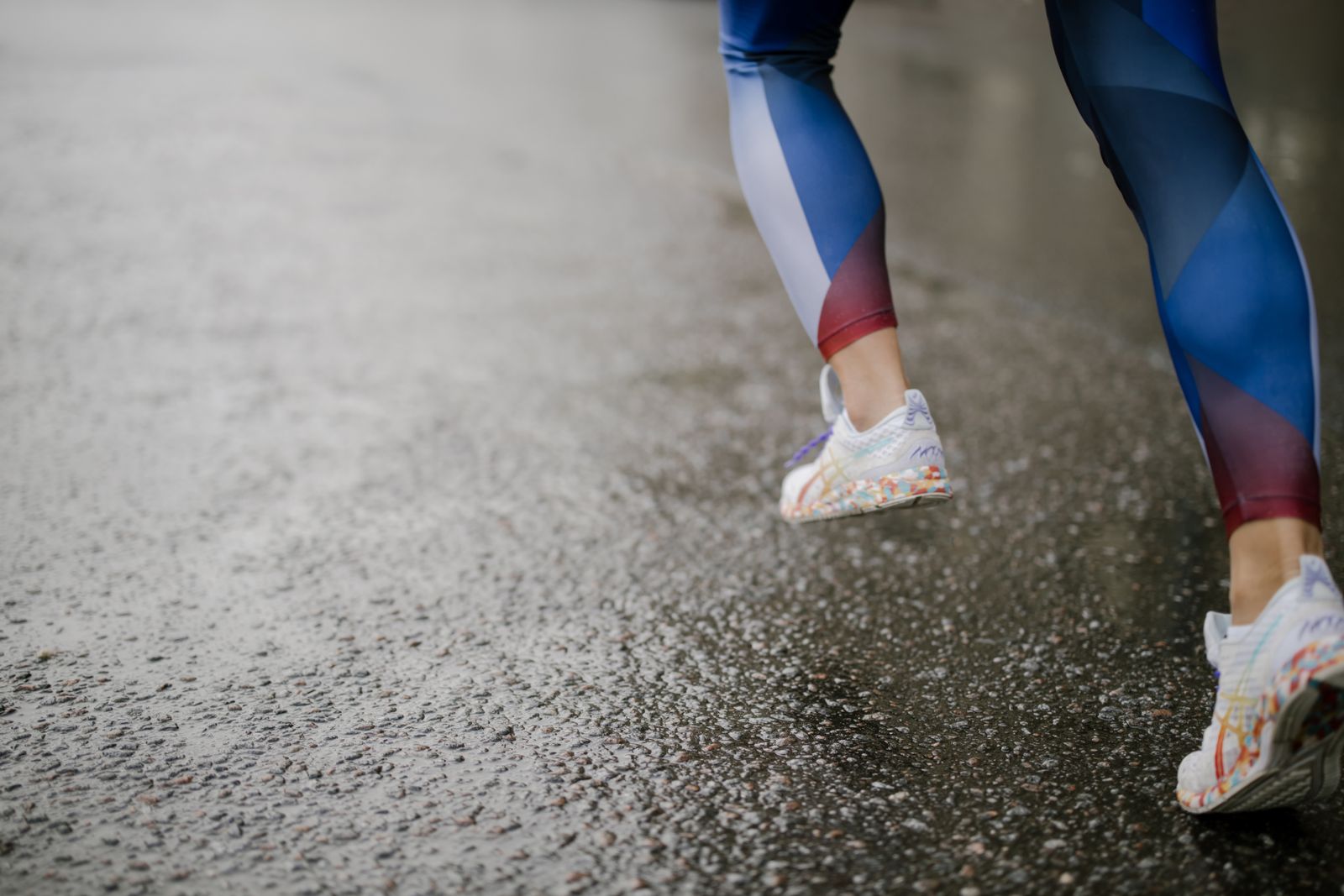
Do shin splints go away on their own?
Early, mild shin splints often calm down in a few weeks if you cut back and build up again slowly. The trouble is that many people go right back to the same mileage, and the pain returns. Shin splints that have lasted for months, or that flare up every time you get back to running, are the ones that usually benefit from active treatment like shockwave.
Shin splints or a stress fracture?
They can feel similar, which is why an exam matters. Shin splints usually cause a dull ache spread over several inches of the inner shin that often eases as you warm up. A stress fracture tends to cause sharp pain in one small spot that gets worse the longer you run, hurts at rest or at night, and may make you limp. If Dr. Petzel suspects a stress fracture, he’ll tell you plainly and get you the right imaging first. For more on bone stress injuries, see stress fractures and shockwave plus EMTT.
Does shockwave therapy work for shin splints?
Yes. The research on shockwave therapy for shin splints is encouraging:
- Better recovery and return to sport: In a study of 94 people with long-lasting shin splints that hadn’t improved with other care, all did a home training program and half also got radial shockwave. At 15 months, 76% of the shockwave group were fully recovered or much improved, versus 37% with exercise alone, and pain scores dropped to 2.7 out of 10 versus 5.3. 40 of 47 shockwave patients returned to their sport at their pre-injury level, compared with 22 of 47 in the exercise group (Rompe et al., American Journal of Sports Medicine, 2010; PubMed 19776340).
- Running longer without pain: In a randomized trial of 42 military cadets with chronic shin splints, one session of focused shockwave plus a stretching and strengthening program let cadets run pain-free for about 17.5 minutes after 4 weeks, versus under 5 minutes with exercise alone. 82.6% had excellent or good results versus 36.8%, with no significant side effects (Gomez Garcia et al., International Journal of Surgery, 2017; PubMed 28882773).
- A Harvard-led review of athletes: A 2024 systematic review of 56 studies and 1,874 athletes and active people found shockwave can be effective as an add-on to exercise for shin splints, and that in most studies athletes were able to keep training during treatment with minimal side effects (Rhim et al., British Journal of Sports Medicine, 2024; PubMed 38228375).
How does shockwave help shin pain heal?
Rest and ice can quiet shin pain, but they don’t rebuild the tissue. Shockwave works by stimulating your body’s own healing response, increasing blood flow, breaking down scar tissue, and activating collagen production, so the sore tissue along the shin can recover and handle impact again. The goal is simple: getting you back to running, walking, and playing without that familiar ache.
Radial or focused shockwave for shin splints?
We have both Storz Medical shockwave units on site, and many patients benefit from both:
- Radial shockwave spreads energy over a broader area, which suits the long, tender strip of shin splints and the tight calf muscles that often come with them.
- Focused shockwave concentrates energy at a precise depth for the most tender spots.
Learn more in radial vs. focused shockwave explained.
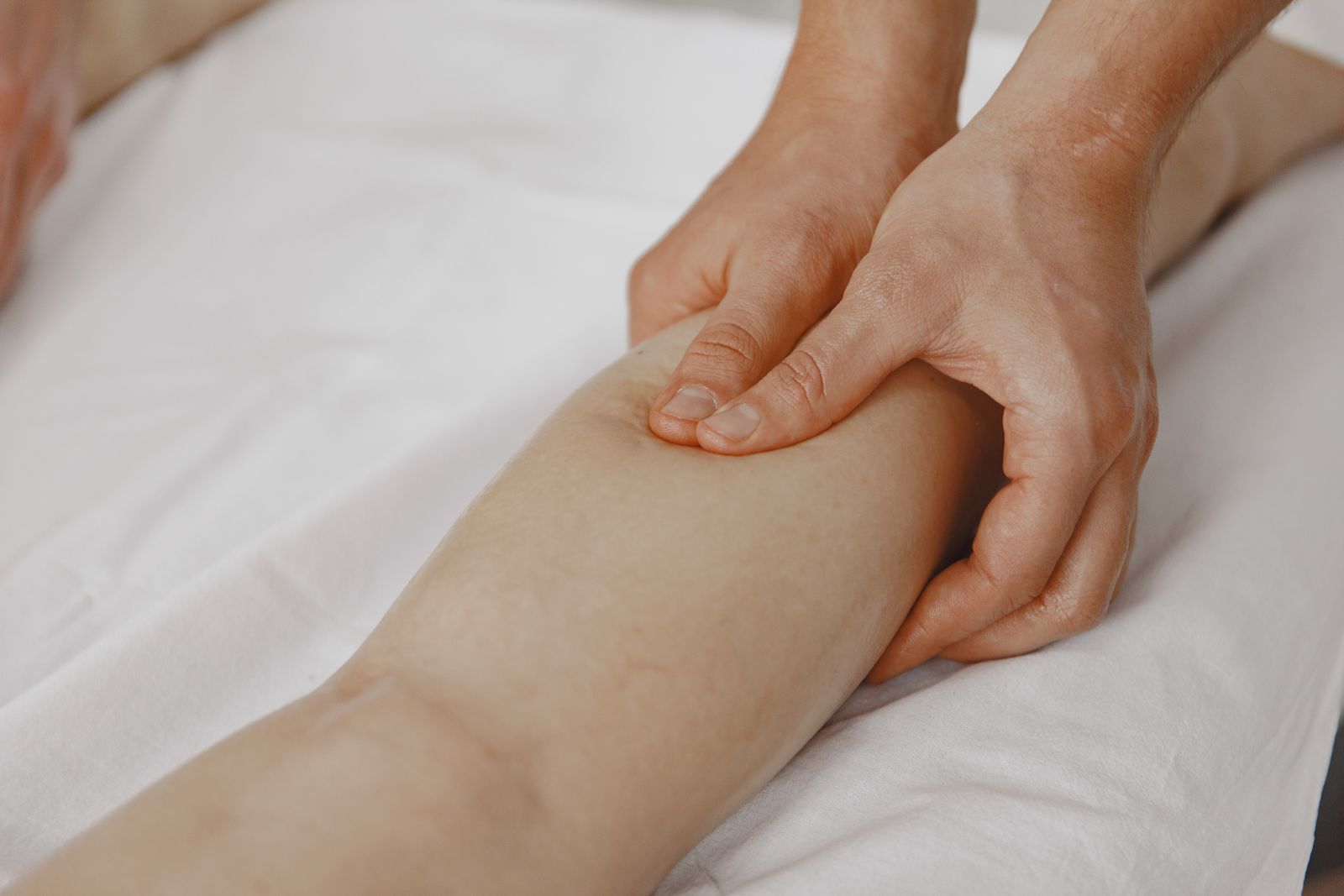
How many shockwave sessions do shin splints need?
At Adisi Health Center, most patients see significant improvement after 6 sessions, each about 20 minutes and spaced about a week apart. Many people notice a difference by sessions 3 or 4. Dr. Petzel builds your plan from your exam and your running or training goals.
Can I keep running during shockwave treatment?
Often, with changes. There’s no downtime after a session, and most people feel only a strong tapping during treatment. We do recommend avoiding high-impact activity, like running or jumping, for 24 to 48 hours after each session. Dr. Petzel will help you adjust your mileage, surfaces, and pace so you keep moving while the shin heals. For more, see does shockwave therapy hurt?
What if I have pain in more than one area?
Shin splints often travel with sore calves, Achilles, knees, or heels. If your pain is severe or you have several problem areas, our Recovery Memberships are the most complete way to recover faster. Both plans let you combine up to 4 therapies per visit, including shockwave, Class IV laser, EMTT, and TECAR, so every injured area gets treated at once. It’s a serious, accelerated recovery plan for getting back to your runs, your sport, and your day.
What can I do at home for shin splints?
These habits support your progress between visits:
- Build mileage gradually instead of jumping back to your old distance
- Mix in softer surfaces like trails or a track instead of only pavement
- Check your shoes, and replace worn-out running shoes
- Do the calf and hip strengthening exercises Dr. Petzel gives you
- Cross-train with biking or swimming on days your shins feel sore
When should I get help right away?
Shockwave is for ongoing overuse pain, not emergencies. Get medical care right away if you have sharp pain in one spot that hurts at rest or at night, if you can’t put weight on the leg, or if the leg looks deformed after a fall or injury. A calf or shin that is swollen, warm, and red, especially after surgery, a long flight, or a long car ride, can be a blood clot and needs urgent care. Numbness, tingling, or a leg that feels tight and painful during exercise and goes numb should also be checked promptly.
Shockwave also isn’t right for everyone. Dr. Petzel reviews your full health history first and will tell you if another approach makes more sense.
Frequently asked questions
Do shin splints go away on their own?
Mild, recent shin splints often settle with rest and a slower return to activity. Shin splints that last for months or come back every time you run usually need active treatment, like shockwave plus a strengthening program.
Does shockwave therapy work for shin splints?
Yes. In one study, 76% of people with long-lasting shin splints who got shockwave plus home exercise were recovered or much improved at 15 months, versus 37% with exercise alone, and 40 of 47 returned to their sport at their pre-injury level.
How fast can shockwave help shin splints?
In a randomized trial of military cadets, one focused shockwave session plus exercise let them run pain-free for about 17.5 minutes after 4 weeks, versus under 5 minutes with exercise alone. At Adisi Health Center, many patients notice a difference by sessions 3 or 4.
How do I know if it’s shin splints or a stress fracture?
Shin splints usually cause a dull ache over several inches of the inner shin. A stress fracture tends to cause sharp pain in one spot that hurts at rest or at night. Dr. Petzel will examine your leg and order imaging if needed.
Can I keep running during treatment?
Often, with changes. There’s no downtime, but we recommend avoiding high-impact activity like running for 24 to 48 hours after each session. Dr. Petzel will guide your mileage while you heal.
How many shockwave sessions will I need for shin splints?
At Adisi Health Center, most patients see significant improvement after 6 sessions, each about 20 minutes and spaced about a week apart.
How much does shockwave therapy cost in Hinsdale?
The $249 New Patient Special includes your exam and first shockwave treatment. A 6-session protocol is $1,050, a 10-pack is $1,650, and a single session is $200 per treatment area. HSA and FSA are accepted.
Do I need a referral?
No. You can book directly, and same-week openings are often available.
Do you treat shin splints patients from outside Hinsdale?
Yes. Patients come to our office at 534 Chestnut Street, Suite 240 in downtown Hinsdale from Oak Brook, Burr Ridge, Clarendon Hills, Western Springs, Downers Grove, Westmont, La Grange, and nearby towns.
Related reading: Can you run with plantar fasciitis?, stress fractures and shockwave plus EMTT, Achilles tendinitis and back-of-heel pain, IT band syndrome and shockwave, shockwave plus exercise for faster tendon recovery, and shockwave therapy cost in Hinsdale
Ready to run without shin pain?
The sooner you treat shin splints, the sooner you can get back to your runs, your sport, and walking without that ache. Book your $249 New Patient Special, which includes your exam and first shockwave treatment, at adisihealth.com/schedule-an-appointment, call Adisi Health Center at (630) 887-1900, or email DrPetzel@AdisiHealth.com. Learn more about shockwave therapy in Hinsdale.
Still deciding? You’re welcome to book a free 20-minute consult first.
References
- Rompe JD, Cacchio A, Furia JP, Maffulli N. Low-energy extracorporeal shock wave therapy as a treatment for medial tibial stress syndrome. Am J Sports Med. 2010;38(1):125-132. PubMed 19776340
- Gomez Garcia S, Ramon Rona S, Gomez Tinoco MC, et al. Shockwave treatment for medial tibial stress syndrome in military cadets: a single-blind randomized controlled trial. Int J Surg. 2017;46:102-109. PubMed 28882773
- Rhim HC, Shin J, Kang J, et al. Use of extracorporeal shockwave therapies for athletes and physically active individuals: a systematic review. Br J Sports Med. 2024;58(3):154-163. PubMed 38228375
This article is for education only and is not medical advice. Results vary. Prices are current as of November 2026.
