
Why Did I Get Plantar Fasciitis in My 40s or 50s? Midlife Heel Pain and Shockwave Therapy in Hinsdale
Short answer: Plantar fasciitis often shows up in your 40s, 50s, and 60s because the heel has absorbed decades of steps, calves and ankles tend to stiffen, and many of us spend long days on our feet or pick up new activities like walking programs, pickleball, or running. A well-known study in the Journal of Bone and Joint Surgery found that a stiff ankle was the strongest risk factor, followed by extra body weight and standing most of the workday. When heel pain hangs on despite stretching and new shoes, shockwave therapy is a research-backed, non-surgical option, and Dr. Steve Petzel offers both Storz Medical radial and focused shockwave at Adisi Health Center in Hinsdale.
Why does plantar fasciitis start in middle age?
The plantar fascia is a thick band of tissue that runs from your heel bone to your toes and supports your arch with every step. In midlife, several things tend to stack up at once:
- Stiffer calves and ankles. Less ankle bend means the fascia takes more pull where it attaches to the heel.
- More time on your feet. Long shifts, busy weekends, and hard floors at work or home add up.
- A change in activity. Starting a walking routine, adding miles, or joining a pickleball league can load the heel faster than it can adapt.
- Body weight changes. Extra pounds put more force through the heel with every step.
- Slower tissue recovery. Tendons and fascia often take longer to bounce back than they did in your 20s, so irritation lingers.
None of these means something is “wrong” with you. It usually means the heel’s workload has gotten ahead of its ability to recover.
What does the research say about plantar fasciitis risk factors?
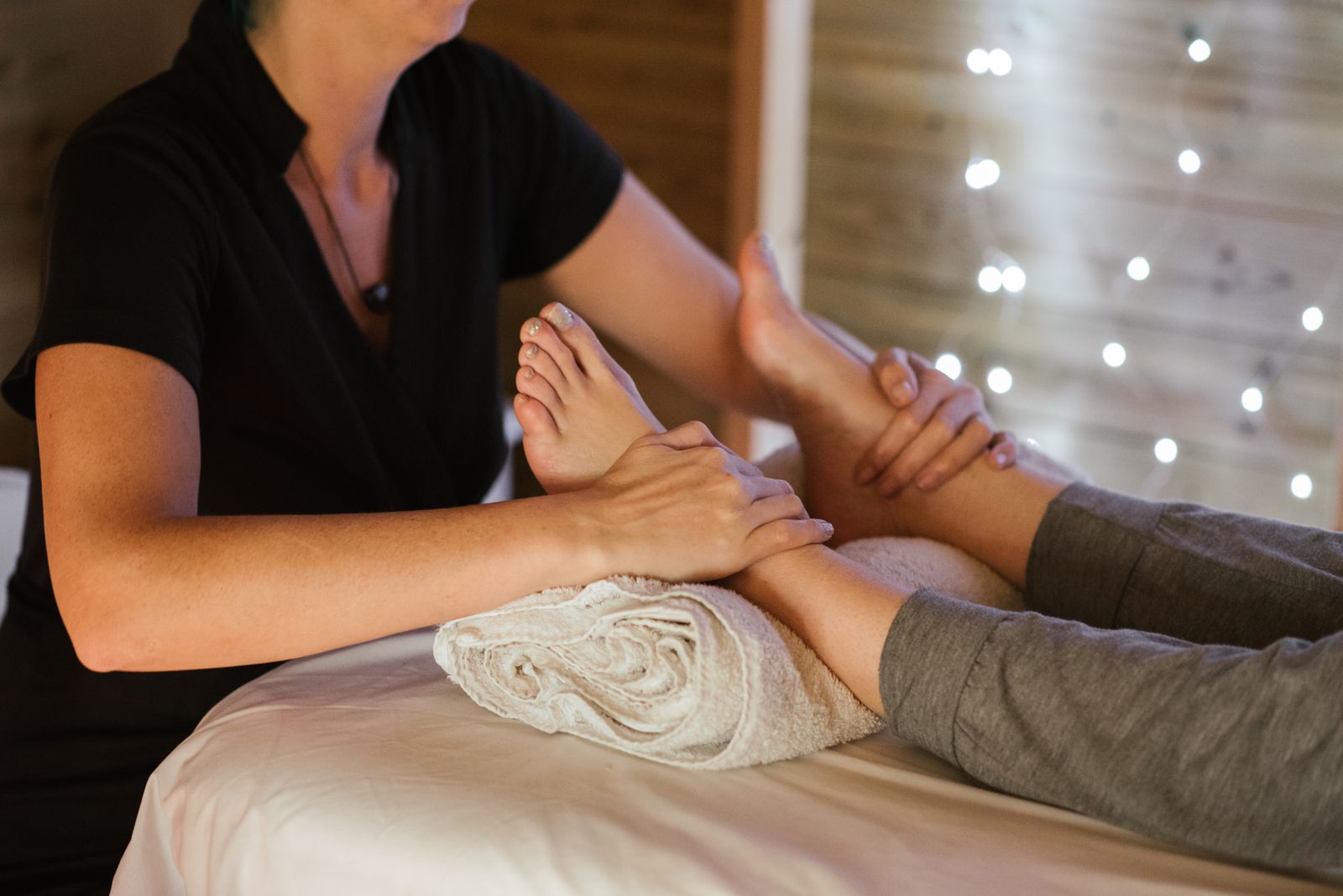
A matched case-control study compared 50 people with plantar fasciitis to 100 people of the same age and sex without it (Riddle et al., 2003, Journal of Bone and Joint Surgery). The researchers found three independent risk factors:
- Limited ankle dorsiflexion (how far your shin can tip forward over your foot) was the most important. People with the stiffest ankles had far higher odds of plantar fasciitis than people with good ankle motion.
- A body mass index over 30 raised the odds about 5.6 times compared with a BMI of 25 or under.
- Spending most of the workday on your feet raised the odds about 3.6 times.
The helpful takeaway is that the biggest risk factor, a stiff ankle and calf, is something you can work on.
How do I know if my heel pain is plantar fasciitis?
Classic signs include:
- Sharp pain at the bottom of the heel with your first steps in the morning
- Pain when you stand up after sitting for a while
- Soreness that builds after long days on your feet
- Tenderness on the inside of the heel, toward the arch
If mornings are the worst part, read our post on heel pain with your first steps in the morning. Heel pain can also come from a heel spur, the Achilles tendon, or an irritated nerve, which is why an exam matters.
Does shockwave therapy work for plantar fasciitis in adults over 40?
Shockwave therapy has some of the strongest research behind it for stubborn heel pain, and the large trials below enrolled adults with chronic plantar fasciitis that hadn’t improved with earlier care:
- Focused shockwave: In a double-blind, placebo-controlled U.S. FDA trial of 250 people, heel pain dropped 69.2% with focused shockwave compared with 34.5% with placebo, measured 12 weeks after the last session. The only device-related side effects were temporary pain and swelling (Gollwitzer et al., 2015, Journal of Bone and Joint Surgery).
- Radial shockwave: In a placebo-controlled trial of 245 people, heel pain dropped 72.1% with radial shockwave compared with 44.7% with placebo at 12 weeks, and the advantage was even larger at 12 months. No relevant side effects were seen (Gerdesmeyer et al., 2008, American Journal of Sports Medicine).
At Adisi, we have both Storz Medical radial and focused shockwave units on-site. Focused shockwave reaches deeper, to where the fascia attaches at the heel bone, and radial shockwave covers a broader area, like the tight arch and calf. Learn more in our guide to radial vs. focused shockwave.
How many shockwave sessions will I need?
Our standard plan is a 6-session protocol, with sessions of about 20 minutes. Many patients notice real improvement by sessions 3 to 4, with the best results after finishing the full series. Our post on how long shockwave takes to work for plantar fasciitis walks through the typical timeline.
What can I do at home for plantar fasciitis after 40?
Shockwave works best alongside habits that take stress off the heel:
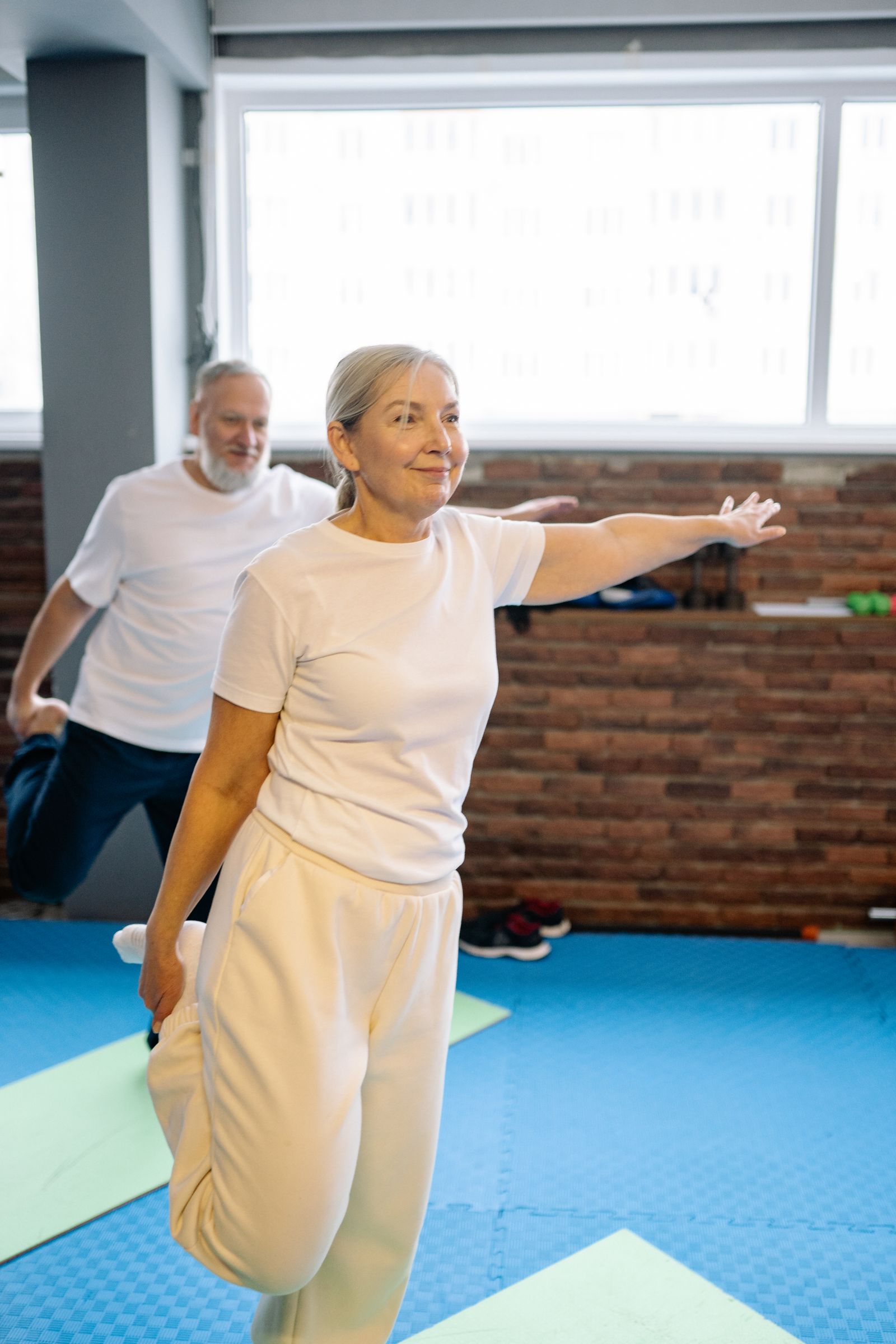
- Stretch your calves and ankles daily. Since ankle stiffness was the strongest risk factor in the research above, this is a great place to start.
- Stretch the plantar fascia before your first steps in the morning.
- Wear supportive shoes around the house and replace worn-out walking or work shoes.
- Ramp up gradually. Add walking, running, or pickleball time a little at a time.
- Strengthen your feet and calves. See why shockwave plus exercise works well together.
If you stand all day for work, read plantar fasciitis from standing all day. If your heel pain has come and gone for years, see why plantar fasciitis keeps coming back.
Is shockwave therapy safe for older adults?
For most adults, yes. In the trials above, side effects were mild and short-lived, mainly temporary pain or swelling. Some people notice brief soreness, redness, or bruising. Most patients go right back to daily activities, and we recommend avoiding high-impact activity for 24 to 48 hours after each session.
Shockwave is usually avoided during pregnancy, over cancer or an infection, or near a pacemaker or other implanted device, and bleeding disorders or blood thinners need to be discussed first. This matters more as we get older, so please bring a list of your medications to your first visit. Learn more in is shockwave therapy safe?
When should I see someone about heel pain?
Get checked if heel pain lasts more than a few weeks, keeps you from walking or exercising, or keeps coming back. Seek prompt care for heel pain after a fall or injury, numbness or tingling in the foot, or swelling, warmth, and redness. Your first visit at Adisi includes a full exam and health history review so Dr. Petzel can confirm what’s causing your heel pain and whether shockwave is a good fit. No referral is needed.
Shockwave therapy for plantar fasciitis near Hinsdale
Adisi Health Center is at 534 Chestnut Street, Suite 240, in Hinsdale, and we see adults with heel pain from Oak Brook, Burr Ridge, Clarendon Hills, Western Springs, Downers Grove, Westmont, and La Grange. Learn more on our shockwave therapy page or our main guide to plantar fasciitis shockwave therapy in Hinsdale.
FAQ: Plantar fasciitis after 40
Why did I suddenly get plantar fasciitis in my 50s?
It’s usually a mix of stiffer calves and ankles, more time on your feet, a change in activity, or weight changes, combined with tissue that recovers more slowly than it used to. Research found a stiff ankle was the strongest single risk factor.
Is plantar fasciitis more common in middle age?
Yes. It commonly shows up in midlife, especially in people who stand for work, have tight calves, or have recently become more active.
Does shockwave therapy work for plantar fasciitis in older adults?
Large placebo-controlled trials of adults with chronic plantar fasciitis found both focused and radial shockwave reduced heel pain significantly more than placebo, with radial shockwave’s advantage even larger at 12 months.
Can tight calves cause heel pain?
They can contribute. In a study in the Journal of Bone and Joint Surgery, limited ankle motion was the most important risk factor for plantar fasciitis, which is why calf and ankle stretching is part of most plans.
How many shockwave sessions do I need for plantar fasciitis?
Our standard plan is six sessions of about 20 minutes. Many patients notice real improvement by sessions 3 to 4.
Is shockwave therapy safe if I take blood thinners?
Blood thinners and bleeding disorders need to be discussed first. Dr. Petzel reviews your health history and medications at your first visit before recommending shockwave.
Where can I get shockwave therapy for heel pain near Oak Brook or Western Springs?
Adisi Health Center in Hinsdale offers Storz Medical radial and focused shockwave and serves Oak Brook, Burr Ridge, Clarendon Hills, Western Springs, Downers Grove, Westmont, and La Grange.
Related reading
- Shockwave therapy in Hinsdale
- Shockwave vs. cortisone for plantar fasciitis
- Plantar fasciitis surgery vs. shockwave
- Can you run with plantar fasciitis?
If heel pain is slowing you down, you’re welcome to book a visit or call (630) 887-1900.
This article is for education only and is not medical advice. Results vary.
