
Pain on the Inside of Your Knee, Below the Joint? Shockwave Therapy for Pes Anserine Bursitis in Hinsdale
Short answer: A tender spot on the inside of your knee, a couple of inches below the joint, that hurts on stairs or when you get up from a chair may be pes anserine bursitis—irritation around the tendons and cushioning sac where three thigh muscles attach to your shin. Shockwave therapy is a non-invasive, needle-free option, and two randomized trials found it reduced pain in people with this condition. At Adisi Health Center in Hinsdale, Dr. Steve Petzel uses FDA-cleared Storz Medical radial and focused shockwave for stubborn knee pain.
What is pes anserine bursitis?
“Pes anserine” is Latin for “goose’s foot,” named for the way three tendons fan out and attach to the upper, inner part of your shinbone, just below the knee. They belong to the sartorius, gracilis, and semitendinosus muscles. A small fluid-filled sac called a bursa sits underneath them to reduce friction. Irritation in this region is sometimes called pes anserine bursitis, pes anserine tendinitis, or anserine syndrome.
A typical symptom is inner knee pain with tenderness just below the joint. Diabetes is a known risk factor; excess weight and knee osteoarthritis may contribute too (Helfenstein and Kuromoto, 2010). Repetitive activities such as running, cycling, and stair climbing can aggravate the area.
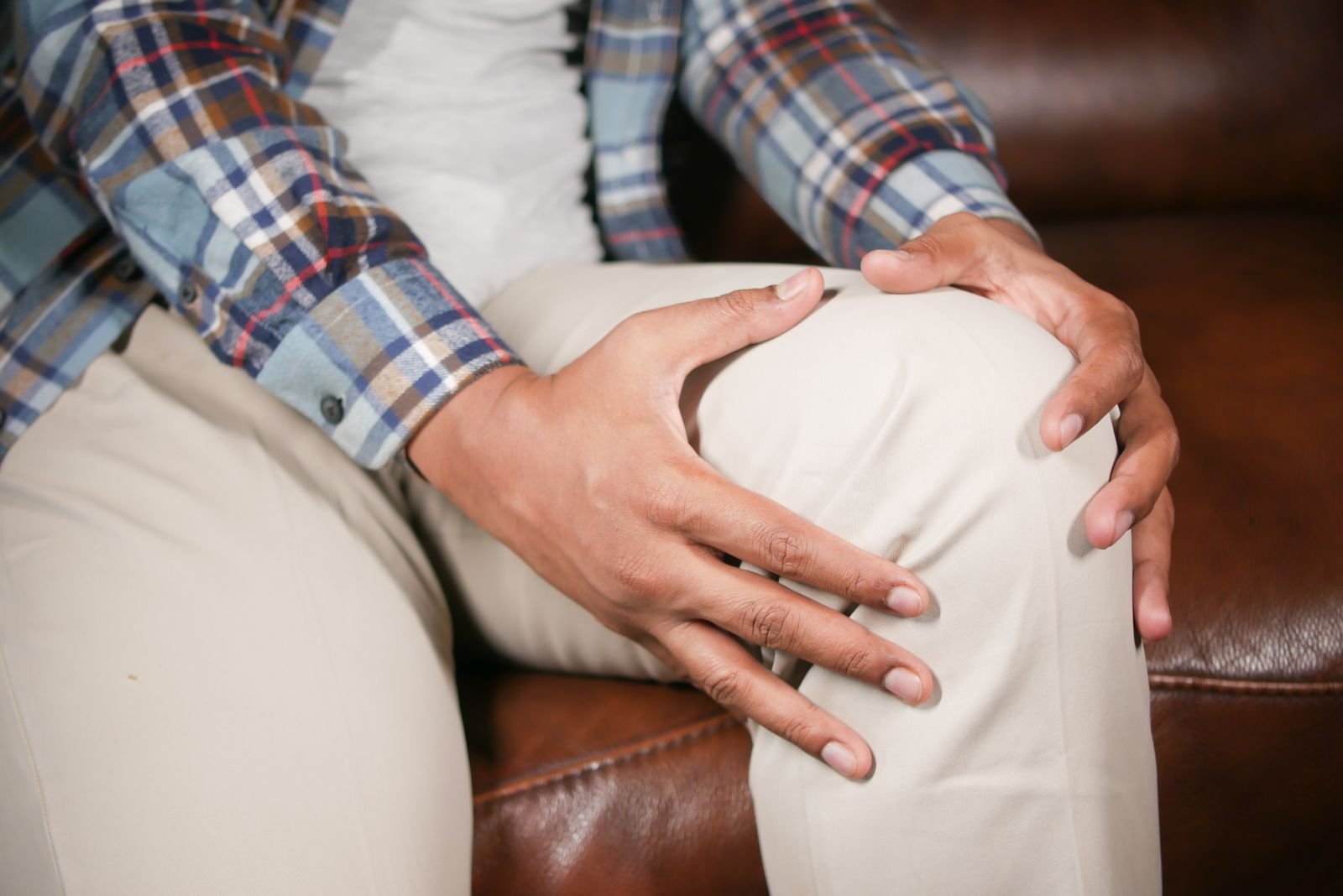
What does it feel like?
- A sore spot on the inside of the knee, a few finger-widths below the joint line, that hurts when pressed
- Pain climbing stairs, getting up from a chair or car, or stepping off a curb
- An ache after running, cycling, or long walks
- Discomfort when your knees press together while lying on your side
- Sometimes mild swelling or warmth over the spot
How is it different from knee arthritis or a meniscus tear?
They can feel alike and happen together. Pes anserine bursitis is usually tender over one spot below the joint. Arthritis often causes stiffness and a deeper joint ache. Meniscus injuries can cause catching, locking, or giving way.
An exam matters before treatment. Your first visit at Adisi Health Center includes a full exam and health history review to identify where your pain is coming from. If you also have joint wear, read about shockwave therapy for knee arthritis.
Does shockwave therapy work for pes anserine bursitis?
Research is encouraging. Shockwave sends acoustic pulses through the skin into the treatment area, with no needles, medication, or incisions.
- Sham-controlled trial: In people with chronic pes anserine bursitis lasting more than three months despite conservative treatment, pain scores were significantly lower with shockwave than with sham treatment immediately afterward and eight weeks later. The authors concluded shockwave could help reduce pain (Khosrawi et al., 2017).
- Comparison with an injection: A 60-patient randomized trial compared three weekly shockwave sessions with an ultrasound-guided corticosteroid injection. Pain and quality of life improved in both groups, with a larger quality-of-life improvement in the shockwave group. The authors concluded both treatments were safe and effective (Majidi et al., 2023).
Shockwave may be an option to discuss if you’d prefer a needle-free treatment.
What is treatment like?
- Sessions take about 20 minutes.
- Most patients at our clinic need about six sessions, roughly a week apart, depending on their exam findings.
- Many notice a difference by the third or fourth session.
- You’ll feel a strong tapping over the sore area, and the intensity can be adjusted. Read does shockwave therapy hurt?.
- Radial shockwave covers a broader area; focused shockwave concentrates energy at a precise depth. We have both Storz Medical units and choose based on your exam. Learn about radial versus focused shockwave.
- Most patients return to daily activities afterward. We recommend avoiding high-impact activity for 24–48 hours.
Is shockwave therapy safe for the knee?
Shockwave is generally well tolerated when patients are screened appropriately. The pes anserine trial above reported both treatments as safe and effective. A separate review of 24 foot-and-ankle studies also reported minimal side effects (Tengku Yusof et al., 2022). Temporary redness, soreness, swelling, or bruising can occur.
Pregnancy, cancer or infection in the treatment area, implanted devices nearby, bleeding disorders, and blood-thinning medication should all be discussed before treatment. Learn more about shockwave safety.
What can I do at home?
- Temporarily reduce activities that aggravate the knee, such as hills, repeated stairs, or long rides, without stopping all comfortable movement.
- Try a pillow between your knees if pressure bothers you while sleeping.
- Gradually build hip and thigh strength as symptoms allow.
- Ask about running or cycling form and footwear if training triggers your pain.
Pairing treatment with appropriate exercises can support recovery. Read about shockwave plus exercise.
When to get medical care right away
Seek prompt medical care for severe pain after a fall or twist, a locked knee, inability to bear weight, or a hot, red, swollen knee with fever. Calf pain and swelling also need prompt evaluation because they can signal a blood clot.
Who do we see from the Hinsdale area?
We see patients with knee, heel, tendon, and muscle pain from Hinsdale, Oak Brook, Burr Ridge, Clarendon Hills, Western Springs, Downers Grove, Westmont, and La Grange. Other knee conditions we treat include runner's knee, jumper's knee, and IT band syndrome.
Frequently asked questions
What is pes anserine bursitis?
It’s irritation around the bursa and three tendons that attach to the upper inner shin below the knee. It commonly causes tenderness and pain on stairs.
Where is the pain felt?
On the inner side of the knee, a few finger-widths below the joint line, usually over a tender spot.
Can shockwave help?
Research suggests it can. One randomized trial found less pain than sham treatment; another found shockwave and a corticosteroid injection both improved symptoms.
How long does it last?
Recovery varies. Some cases settle in weeks, while persistent irritation can last months. Pain that isn’t improving deserves an exam.
How many sessions are needed?
Our clinic commonly recommends about six weekly sessions, with the plan tailored to your findings.
Is there downtime?
Most patients return to daily activities. We recommend avoiding high-impact activity for 24–48 hours afterward.
Is it bursitis or arthritis?
They can coexist. Local tenderness below the inner joint suggests pes anserine involvement, while arthritis often causes deeper aching and stiffness. An exam helps distinguish them.
Where can I get shockwave near Hinsdale?
Adisi Health Center offers Storz Medical radial and focused shockwave in Hinsdale and serves the surrounding western suburbs.
Related reading
- Shockwave therapy in Hinsdale
- Runner's knee
- Shockwave for knee arthritis
- Jumper's knee and shockwave
If inner knee pain is slowing you down, you’re welcome to book a visit.
