
Runner’s Knee in Hinsdale: How Shockwave and Class IV Laser Treat Pain Around the Kneecap
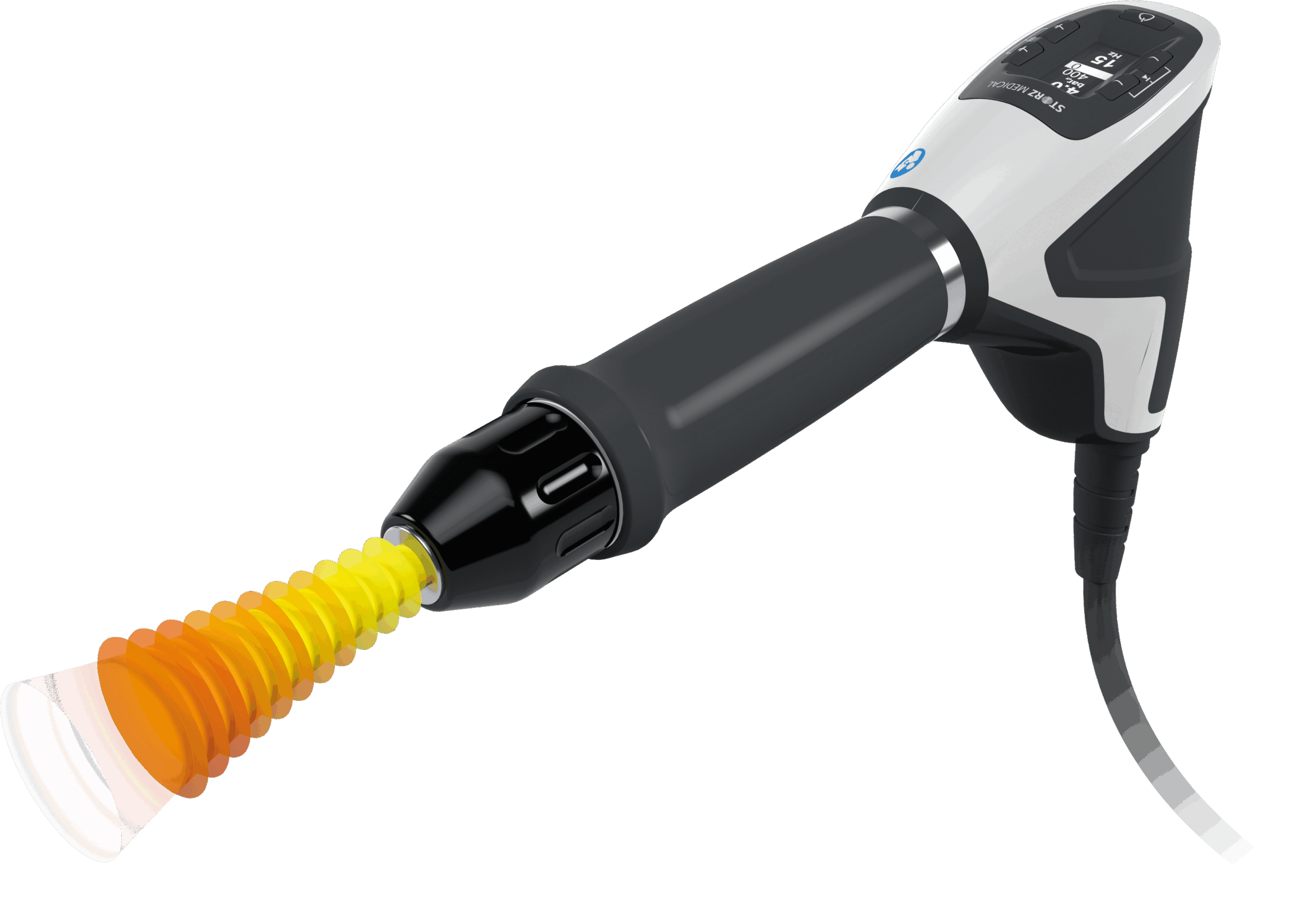
Short answer: Runner’s knee (patellofemoral pain) is an aching pain around or behind the kneecap that flares with running, stairs, squatting, or sitting for a long time. It usually gets better without surgery. At Adisi Health Center in Hinsdale, Dr. Steve Petzel treats it by combining Storz Medical shockwave therapy, the 40-watt LightForce XLi Class IV laser, and Winback TECAR with a home strengthening program. Randomized trials have found that adding shockwave or high-intensity laser to exercise lowered knee pain more than exercise with older therapies. Call (630) 887-1900 or schedule an appointment.
What is runner’s knee?
Runner’s knee is the everyday name for patellofemoral pain syndrome. It’s one of the most common causes of knee pain in active adults and teens. The kneecap (patella) glides in a groove at the end of the thigh bone. When the tissues around it get overloaded, the front of the knee starts to hurt.
Common signs include:
- A dull ache around or behind the kneecap
- Pain going down stairs or hills, squatting, kneeling, or jumping
- Pain after sitting a long time with your knees bent, such as at a desk, in the car, or at a movie
- Grinding or clicking under the kneecap
You don’t have to be a runner to get it. We see it in pickleball and tennis players, cyclists, skiers, people who just started a new workout, and people who climb stairs all day.
What causes pain around the kneecap?
It’s usually an overuse problem, not a single injury. Common causes are:
- Increasing mileage or training too fast
- Weak hip and thigh muscles, especially the inner quadriceps and glutes
- Tight tissue along the outside of the thigh, including the IT band
- Foot mechanics and worn-out shoes
- Lots of hills, stairs, or deep squats
IT band syndrome is a close cousin. It causes sharp pain on the outside of the knee, often a few miles into a run. We evaluate and treat both.
Can shockwave and laser therapy help runner’s knee?
Yes. As our conditions page explains, IT band syndrome and runner’s knee are overuse injuries with a strong fascia and tendon component. Each therapy has a different job:
- Shockwave sends acoustic pulses into the overloaded tissue around the kneecap and the lower IT band to restart the healing response.
- Class IV laser (photobiomodulation) uses high-powered infrared light to calm inflammation, improve circulation, and quiet pain signals. At 40 watts, the LightForce XLi reaches tissue that low-power “cold” lasers can’t.
- Winback TECAR gives deep, comfortable warmth through the muscles on the side of the thigh and knee to help them relax and move better.
You can combine these therapies in the same visit, and you see Dr. Petzel at every visit.

What does the research say?
- Shockwave plus exercise (2024). In a study of 64 adults aged 20 to 39 with patellofemoral pain, one group got radial shockwave plus specific physical therapy exercises for about 3 weeks. The other got a standard program of electrotherapy, ultrasound, laser, and exercise. Both groups improved, but the shockwave group had greater pain relief and better knee function (Neculăeș et al., Journal of Clinical Medicine, 2024; PubMed 39685719).
- High-intensity laser plus exercise, randomized trial (2024). 45 adults with patellofemoral pain had 10 sessions over 2 weeks. The group that got high-intensity laser plus an exercise program had less pain, more knee bending, and better leg function than the groups that got ultrasound with TENS or interferential current plus the same exercises. The benefit held at the 3-month check (Ozlu and Atilgan, Lasers in Medical Science, 2024; PubMed 38630331).
- High-intensity laser, 2026 meta-analysis. A review that pooled 4 randomized trials found that adding high-intensity laser to exercise significantly reduced patellofemoral pain right after treatment and at follow-up. The trials were small, and the authors called for larger studies (de la Barra Ortiz et al., Chiropractic & Manual Therapies, 2026; PubMed 42286680).
The common thread: In every one of these studies, the therapy was paired with exercise. That’s why each plan at Adisi includes a home strengthening program. Results vary from person to person.
What does a runner’s knee visit at Adisi look like?
- Free phone consultation. A 20-minute call with Dr. Petzel to see if you’re a good fit.
- New patient evaluation ($249, about 45 minutes). A full history and hands-on exam of your knee, hip, ankle, and foot, plus your first treatment. Dr. Petzel checks whether the pain is coming from behind the kneecap, the patellar tendon, the IT band, or the joint itself.
- Targeted treatment. Shockwave follow-up sessions take about 20 minutes, and laser takes 10 to 15 minutes per area. You’ll feel firm tapping with shockwave and gentle warmth with laser and TECAR. There’s no downtime.
- Home strengthening program. Hip and thigh exercises and a sensible plan for getting back to running.
- Tracking progress. Dr. Petzel adjusts your plan as your knee responds.

How much does runner’s knee treatment cost in Hinsdale?
From our pricing page:
- New patient evaluation: $249, including your first treatment
- Shockwave: $200 per session, or $1,050 for a 6-session pack
- Class IV laser, EMTT, and Winback TECAR: $115 per session, with 10- and 20-session packs available
Want to get back to running faster? Both of our membership plans are built for accelerated recovery. They let you combine up to 4 therapies per visit, and shockwave is included:
- Recovery Membership, $1,299/month: includes shockwave, up to 20 minutes per week
- Premium, $2,199/month: includes up to 2 shockwave sessions per week
Treatments are cash pay, and HSA and FSA cards are accepted. No referral is needed.
Is shockwave and laser treatment safe?
For most people, yes. Both are non-invasive, with no needles or medication. Dr. Petzel reviews your health history first.
Shockwave is generally not used:
- During pregnancy
- Over a known or suspected tumor or cancer
- Over an active infection or open wound
- With a bleeding disorder or blood-thinning medication, unless cleared first
- Over a joint replacement or other metal implant in the treatment area, unless cleared first
- Over open growth plates in children and teens
Mild soreness, redness, or tingling after shockwave is common and usually fades within a day or two.
Laser is not used over active cancer, directly over the eyes, over the thyroid, or over the abdomen during the first trimester of pregnancy. Protective eyewear is always worn. Tell Dr. Petzel if you take medication that makes you sensitive to light.
When should I see an orthopedist instead?
See a physician or orthopedic specialist first if:
- Your knee locks, gives way, or buckles
- It swelled up quickly after a twist, fall, or “pop”
- You can’t put weight on the leg or fully straighten it
- The knee is hot and red, or you have a fever
If your knee pain started after a car accident or a work injury, we also handle personal injury and auto accident care. Dr. Petzel will tell you honestly if you need imaging or a surgical opinion.
Frequently asked questions
What is the fastest way to heal runner’s knee?
Ease off the activities that flare it, strengthen your hips and thighs, and treat the irritated tissue. Studies show adding shockwave or high-intensity laser to exercise reduces pain more than exercise with older therapies alone.
Should I stop running with runner’s knee?
Usually you don’t have to stop completely. Most people do better by cutting mileage and hills for a while and building back gradually. Dr. Petzel will give you a plan based on your exam.
How many sessions will I need?
It depends on how long you’ve had the pain. A typical shockwave course is about 6 sessions, and laser plans often run about 10. Dr. Petzel adjusts the plan as you improve.
Does shockwave for runner’s knee hurt?
You’ll feel firm tapping that’s adjusted to your comfort. Some people are a little sore for a day or two afterward. Laser and TECAR feel like gentle warmth.
Is treatment covered by insurance?
Shockwave, laser, EMTT, and TECAR are cash pay, and HSA and FSA cards are accepted. Chiropractic adjustments are in-network with Blue Cross Blue Shield PPO.
Do you see patients from outside Hinsdale?
Yes. Patients come to our office at 534 Chestnut Street, Suite 240 in downtown Hinsdale from Oak Brook, Burr Ridge, Clarendon Hills, Western Springs, Downers Grove, Westmont, La Grange, and nearby towns. See our local pages for Burr Ridge, Clarendon Hills, and Western Springs.
Related reading: Shockwave therapy for knee arthritis, laser therapy for knee arthritis, and our sports therapy page.
Ready to run, climb stairs, and squat without knee pain?
If rest and ice haven’t fixed it, let’s find out what’s driving your knee pain. Call Adisi Health Center at (630) 887-1900, email DrPetzel@AdisiHealth.com, or book your visit online.
This article is for education only and is not medical advice. Results vary.
References
- Neculăeș M, Hernandez-Lucas P, Ioana-Bianca I, Lucaci P. Contribution of shockwave therapy in the functional rehabilitation program of patients with patellofemoral pain syndrome. J Clin Med. 2024;13(23):7260. PubMed 39685719
- Ozlu O, Atilgan E. The effect of high-intensity laser therapy on pain and lower extremity function in patellofemoral pain syndrome: a single-blind randomized controlled trial. Lasers Med Sci. 2024;39(1):103. PubMed 38630331
- de la Barra Ortiz HA, Parizotto NA, Lange CHC, Liebano RE. Efficacy of high-intensity laser therapy for patellofemoral pain: a systematic review and meta-analysis. Chiropr Man Therap. 2026;34(1):33. PubMed 42286680
