
Why Does My Finger Lock or Catch When I Bend It? Shockwave Therapy for Trigger Finger in Hinsdale
Short answer: If a finger or thumb clicks, catches, or gets stuck bent and then snaps straight, you may have trigger finger, a narrowing around the tendon that bends your finger. Shockwave therapy is a non-invasive, needle-free option for trigger finger, and a randomized trial found it worked about as well as a steroid injection over six months. At Adisi Health Center in Hinsdale, Dr. Steve Petzel uses Storz Medical radial and focused shockwave for stubborn tendon pain, including in the hand.
What is trigger finger?
Each finger has a tendon that bends it, and that tendon glides through a series of small tunnels in the palm. The first tunnel, at the base of the finger, is called the A1 pulley. When the tendon or its sheath gets irritated and thickened, it can’t slide smoothly through that tunnel. Instead it catches, and then pops through, which is the “trigger” feeling.
The medical name is stenosing tenosynovitis. It most often affects the thumb, ring finger, or middle finger, and it can affect more than one finger.
What does trigger finger feel like?
Common signs include:
- A click, catch, or pop when you bend or straighten a finger
- A finger that locks in a bent position and has to be straightened with the other hand
- Stiffness that’s worst in the morning
- A tender bump or soreness in the palm at the base of the finger
- Pain when you grip a steering wheel, a golf club, a pen, or garden tools
If your pain is on the thumb side of the wrist instead, read our post on thumb pain when lifting (De Quervain’s tenosynovitis).
Why did I get trigger finger?
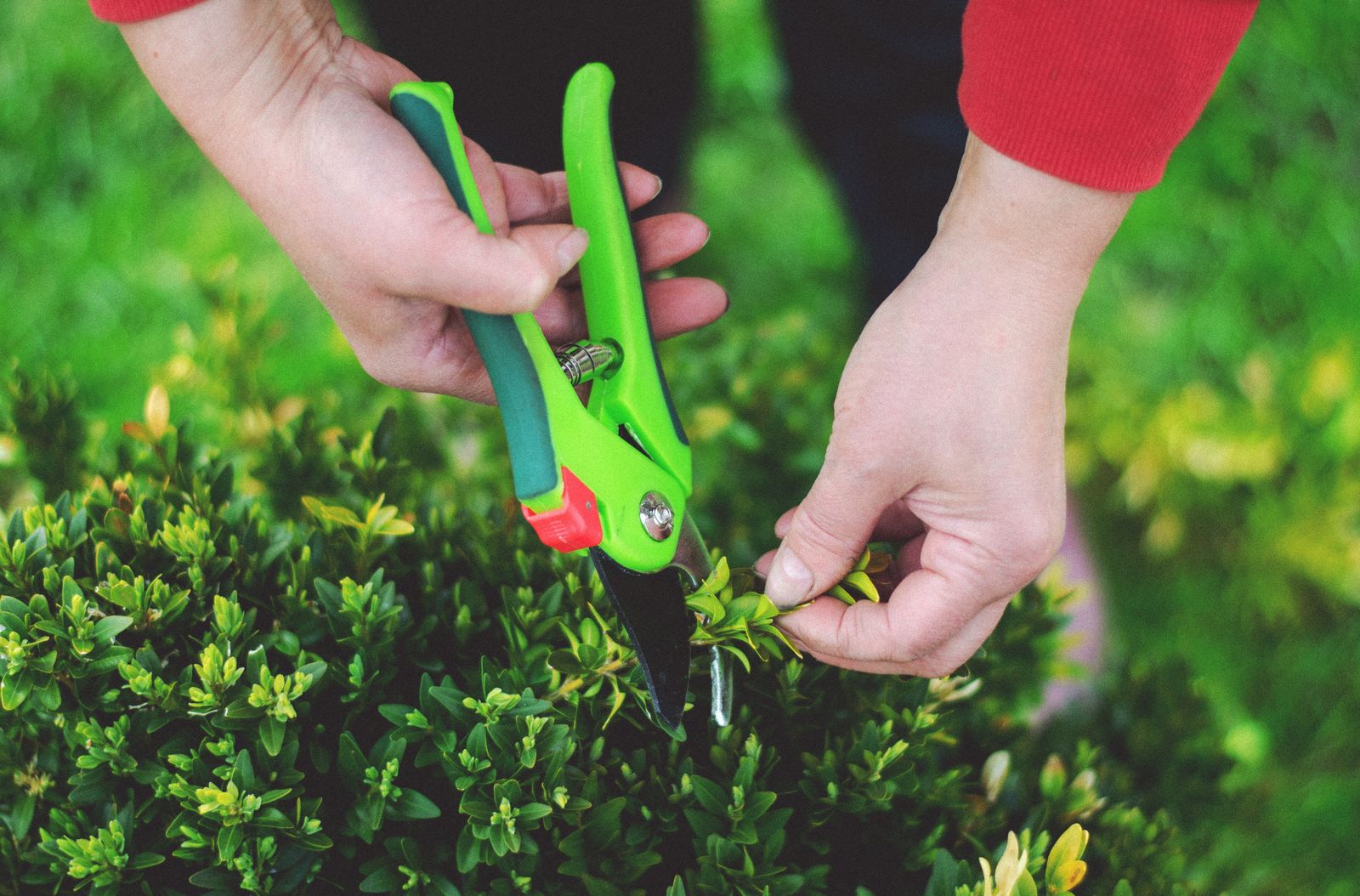
Trigger finger is linked to repetitive or forceful gripping: gardening and pruning, hand tools, typing and phones, golf and racquet sports, and carrying heavy bags. It’s also more common in adults in their 40s, 50s, and 60s, in women, and in people with diabetes or inflammatory arthritis. Often there’s no single injury. The tendon simply gets more irritation than it can recover from.
Does shockwave therapy work for trigger finger?
The research is smaller than for heel or elbow pain, but it is encouraging:
- A randomized trial of 40 patients compared shockwave therapy with a corticosteroid injection. Both groups improved significantly in pain, how often the finger triggered, and hand function at 1, 3, and 6 months, with no meaningful difference between them. The authors concluded shockwave could be a non-invasive option, “especially for those patients who wish to avoid steroid injections” (Yildirim et al., 2016, Journal of Hand Surgery, European Volume).
- A study of 44 patients (49 fingers) treated with radial shockwave found significant reductions in pain and better function at 1, 3, and 12 months. People who had symptoms longer tended to need more sessions (Malliaropoulos et al., 2016, Open Access Journal of Sports Medicine).
- A study of 32 adults (50 fingers), average age 60, found that after three weekly shockwave sessions, symptoms had resolved in 30 of 32 patients (94%) at the three-month check (Zyluk and Mosiejczuk, 2020, Handchirurgie Mikrochirurgie Plastische Chirurgie).
The pattern across these studies is the same: shockwave reduced pain and catching without needles or downtime.
How does shockwave therapy help a catching finger?
Shockwave therapy sends acoustic pressure waves into the irritated tissue to stimulate the body’s own healing response, including blood flow and tissue remodeling around the tendon sheath. At Adisi, we have both Storz Medical radial and focused shockwave units on-site. Focused shockwave concentrates energy at a precise spot, like the A1 pulley, and radial shockwave treats a broader area, like tight forearm and palm muscles. Learn more in our guide to radial vs. focused shockwave.
How many shockwave sessions do I need for trigger finger?
Our standard plan is a 6-session protocol, with sessions of about 20 minutes, spaced roughly a week apart. Some people notice a difference sooner, and healing often continues for weeks after the last session. The research above also suggests that fingers that have been triggering longer may need more sessions, so Dr. Petzel sets your plan after your exam.
Shockwave vs. a steroid injection for trigger finger: which is better?
Injections are a common first step, and many people do well with them. In the randomized trial above, shockwave and a steroid injection produced similar improvements over six months. Shockwave may appeal to you if you’d rather avoid needles or repeat steroid injections, or if you have diabetes and want to talk through options.
What can I do at home for trigger finger?
Shockwave works best alongside a few simple habits:
- Ease up on hard gripping. Use padded handles, bigger-grip tools, and take breaks during yard work or long drives.
- Gentle tendon-glide exercises. Slowly move through a hook fist, full fist, and straight fingers a few times a day.
- Warm your hands in the morning before you grip anything hard.
- Don’t force a locked finger. Straighten it gently with the other hand.
Pairing treatment with the right exercise matters for tendons. See why shockwave plus exercise works well together.
Is shockwave therapy safe for the hand?
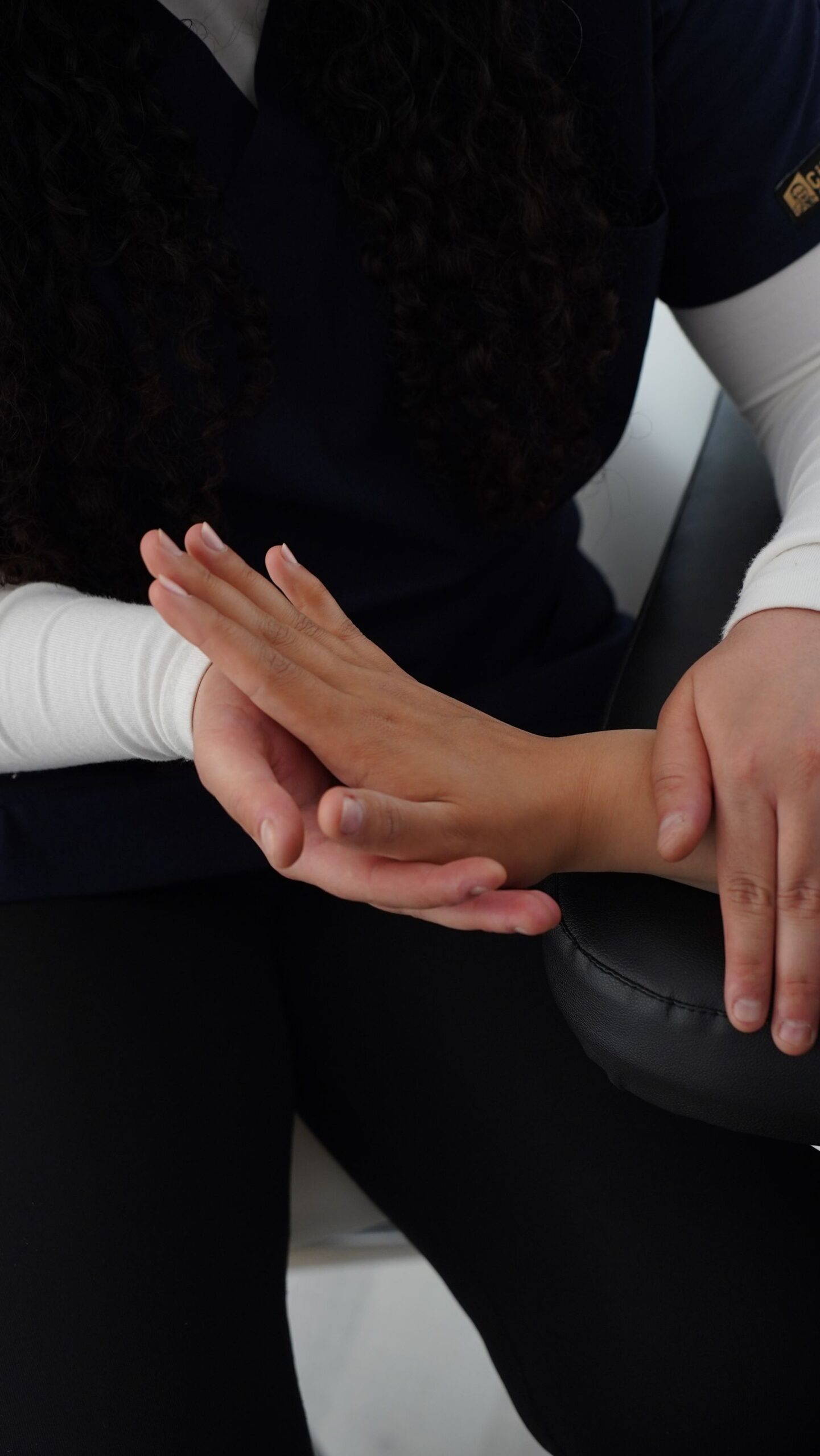
Yes, for most adults. In the trigger finger studies above, shockwave was well tolerated. The most common side effects of shockwave are temporary local pain and mild redness, and some people notice brief soreness, swelling, or bruising. Most patients go right back to daily activities, and we recommend avoiding hard gripping or other aggravating activity for 24 to 48 hours after each session.
Shockwave is usually avoided during pregnancy, over cancer or an infection, or near a pacemaker or other implanted device, and bleeding disorders or blood thinners need to be discussed first. Learn more in is shockwave therapy safe? and what a shockwave session feels like.
When should I get my finger checked?
Get checked if a finger keeps catching for more than a few weeks, locks and won’t straighten without help, or makes gripping hard at work or home. Seek prompt care for a finger that’s red, hot, and swollen, numbness or tingling, or pain after an injury. Your first visit at Adisi includes a full exam and health history review, so Dr. Petzel can confirm what’s going on and whether shockwave is a good fit. No referral is needed.
Shockwave therapy for trigger finger near Hinsdale
Adisi Health Center is at 534 Chestnut Street, Suite 240, in Hinsdale, and we see adults with hand and finger pain from Oak Brook, Burr Ridge, Clarendon Hills, Western Springs, Downers Grove, Westmont, and La Grange. Learn more on our shockwave therapy page.
FAQ: Trigger finger and shockwave therapy
Why does my finger lock when I bend it?
The tendon that bends your finger has become irritated and can’t slide smoothly through a small tunnel at the base of the finger, called the A1 pulley. It catches, then pops through, which causes the locking or clicking.
Can shockwave therapy fix trigger finger?
Research is encouraging. A randomized trial found shockwave worked about as well as a steroid injection over six months, and other studies found lasting improvement in pain and catching, up to 12 months in one study.
Is shockwave better than a cortisone shot for trigger finger?
In a randomized trial of 40 patients, both treatments improved pain and function similarly. Shockwave is a non-invasive choice for people who prefer to avoid steroid injections.
How many shockwave sessions does trigger finger take?
Our standard plan is six sessions of about 20 minutes, spaced roughly a week apart. Fingers that have been triggering longer may need more, and Dr. Petzel sets your plan after your exam.
Does shockwave therapy for the hand hurt?
Most people feel tapping and some discomfort during treatment, and the intensity can be adjusted. Mild soreness or redness afterward is common and short-lived.
Can trigger finger affect the thumb?
Yes. Trigger thumb is one of the most common forms, along with the ring and middle fingers.
Where can I get shockwave therapy for trigger finger near Oak Brook or Downers Grove?
Adisi Health Center in Hinsdale offers Storz Medical radial and focused shockwave and serves Oak Brook, Burr Ridge, Clarendon Hills, Western Springs, Downers Grove, Westmont, and La Grange.
Related reading
- Shockwave therapy in Hinsdale
- Thumb pain when lifting: De Quervain’s and shockwave
- Tennis elbow: shockwave vs. laser study
- Radial vs. focused shockwave
If a catching finger is getting in the way of your day, you’re welcome to book a visit or call (630) 887-1900.
This article is for education only and is not medical advice. Results vary.
