
Shockwave Therapy for Hip, Achilles and Knee Tendon Pain in Hinsdale: What a New October 2026 Review Says
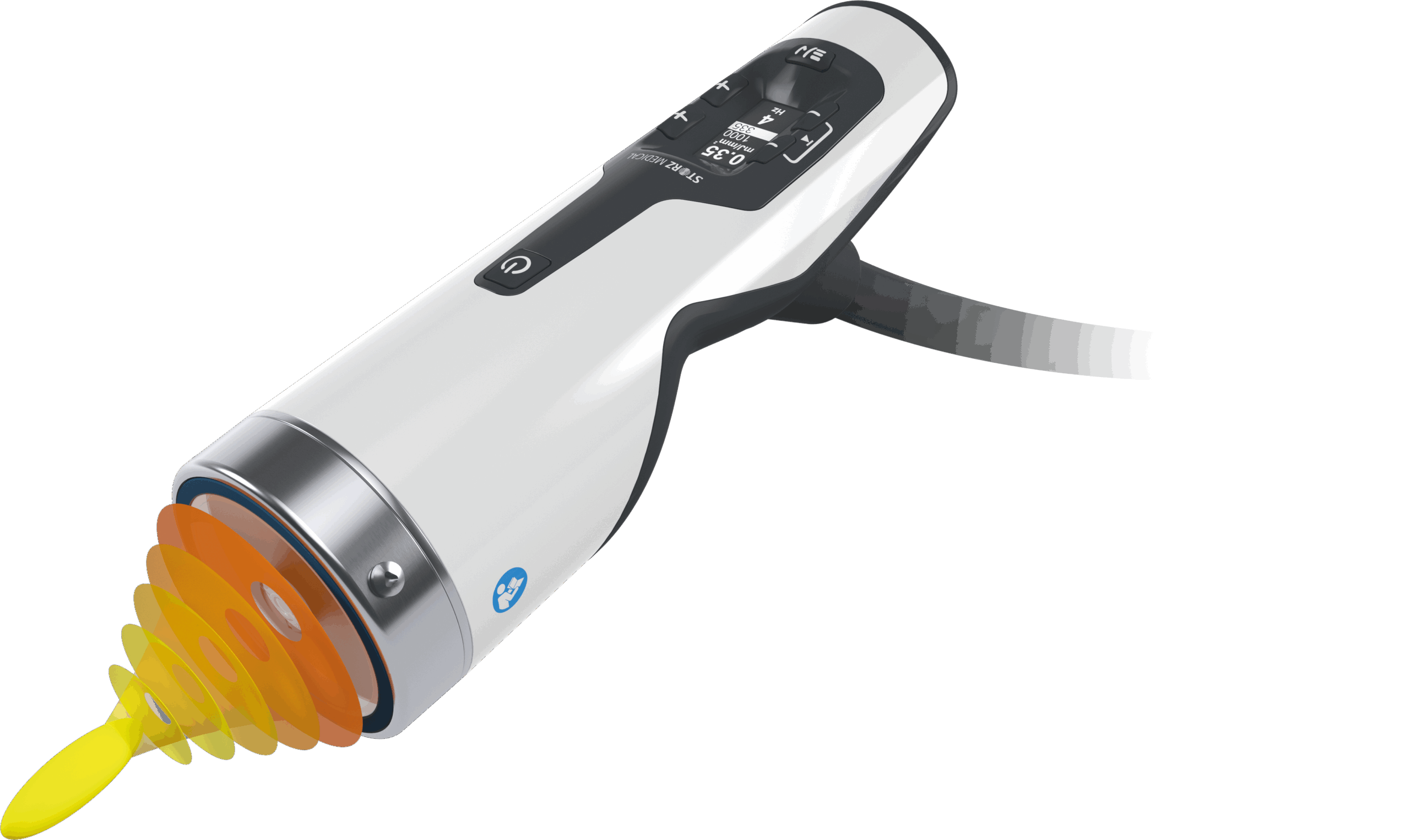
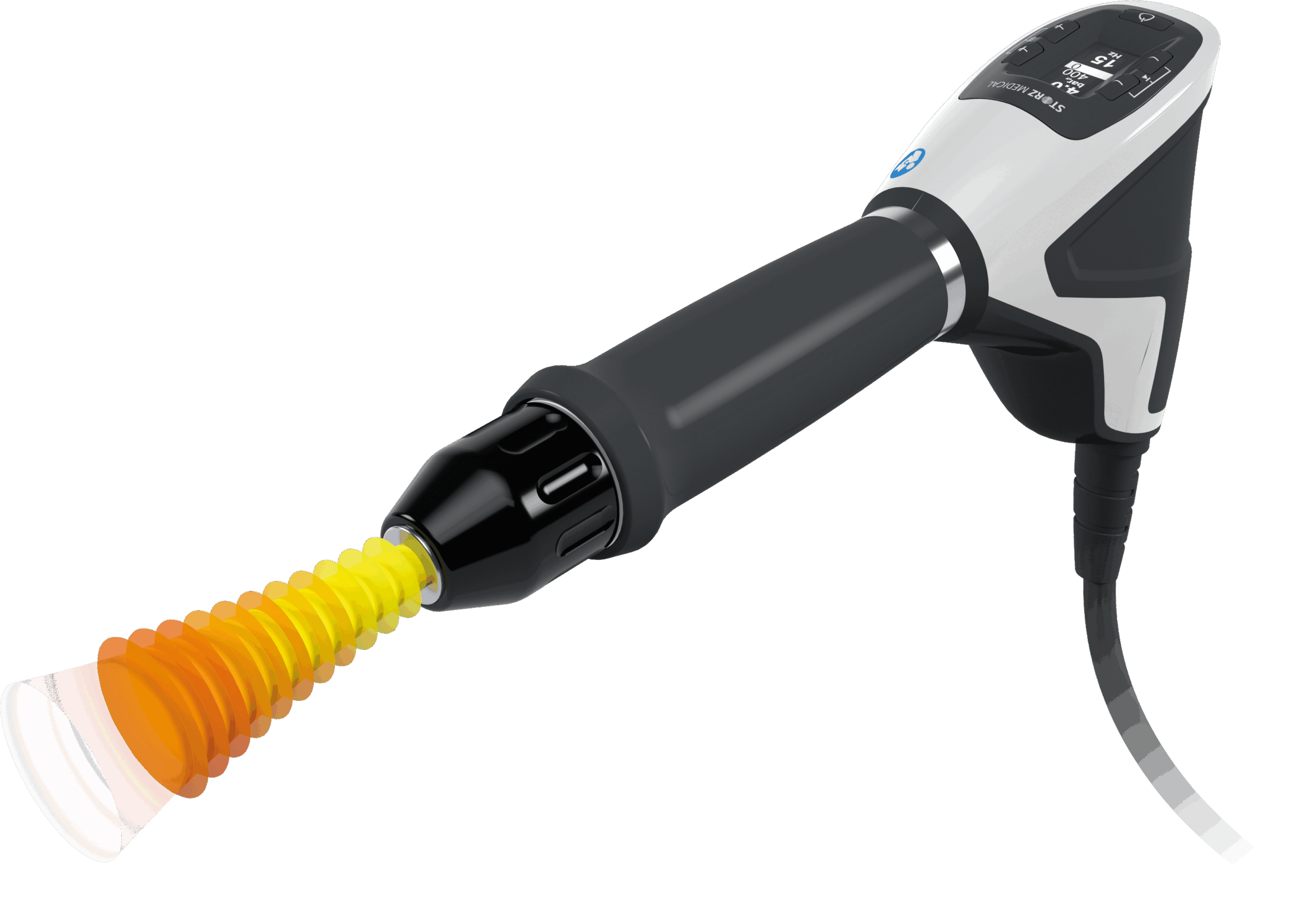
Short answer: A review published October 19, 2026 in Wiener Medizinische Wochenschrift examined extracorporeal shockwave therapy (ESWT) for four common lower-body tendon problems: outer hip pain (greater trochanteric pain syndrome), quadriceps and patellar tendon pain at the knee, and Achilles tendon pain. The author, who leads the German-speaking shockwave society DIGEST, concluded that shockwave supports tendon regeneration, long-term improvement, and a faster return to sport, and seems to work best paired with a loading exercise program. At Adisi Health Center in Hinsdale, Dr. Steve Petzel uses Storz Medical focused and radial shockwave for these stubborn tendon problems. Call (630) 887-1900 to see if you’re a candidate.
What is the new study?
“Extracorporeal shockwave therapy in common tendinopathies” was written by Dr. Martin Thomas Ringeisen of the Orthopedic Center in Augsburg, Germany, and published online October 19, 2026.
It’s a narrative review: the author summarized the published research and the guidelines of the two leading shockwave societies, the International Society for Medical Shockwave Treatment (ISMST) and DIGEST, and added case examples from his practice. A narrative review doesn’t pool numbers like a meta-analysis, so below we also link the individual clinical trials behind it.
The review covers four “standard” lower-body tendon problems:
- Greater trochanteric pain syndrome (GTPS): pain on the outside of the hip, often from irritated gluteal tendons
- Quadriceps tendinopathy: pain just above the kneecap
- Patellar tendinopathy (“jumper’s knee”): pain just below the kneecap
- Achilles tendinopathy: pain and stiffness in the tendon at the back of the ankle
What did the review find?
The main points, in plain English:
- A large, positive evidence base. The author notes that no other non-surgical orthopedic treatment has been studied as intensively, and that ESWT “shows excellent results” in the literature and in clinical use.
- Exercise makes it work better. ESWT seemed to be more effective when it was combined with an eccentric loading or physical therapy program, rather than used on its own.
- Well tolerated, with lasting results. He concludes shockwave enables tendon regeneration, long-term improvement, and a faster return to sport, with predictable side effects.
The clinical trials behind it
The review cites several well-known controlled trials. Here are four that matter most for patients:
1. Outer hip pain, focused shockwave vs. sham (2020). In a multicenter trial of 103 patients with chronic greater trochanteric pain syndrome, everyone did the same exercise program. One group also got real focused shockwave and the other got a sham (near-zero energy) version, 3 weekly sessions each. At 2 months, average pain dropped from 6.3 to 2.0 in the shockwave group, compared with 4.7 in the sham group. The success rate was 86.8% at 2 months and held through the 6-month follow-up. No complications were seen. (Ramon et al., Journal of Bone and Joint Surgery, 2020. PubMed 32769596)
2. Outer hip pain, shockwave vs. home exercise vs. cortisone shot (2009). In a controlled trial of 229 patients with stubborn outer hip pain, a cortisone injection gave the fastest relief at 1 month. By 4 months, radial shockwave had the best success rate: 68%, compared with 41% for home training and 51% for the injection. At 15 months, shockwave (74%) and home training (80%) were both more successful than the injection (48%). (Rompe et al., American Journal of Sports Medicine, 2009. PubMed 19439758)
3. Achilles tendon pain, exercise vs. exercise plus shockwave (2009). In a randomized trial of 68 patients whose midportion Achilles pain had lasted more than 6 months and hadn’t responded to injections, anti-inflammatories, or physical therapy, adding shockwave to eccentric exercise worked better at 4 months. 82% of the combined group rated themselves “completely recovered” or “much improved,” compared with 56% with exercise alone. (Rompe et al., American Journal of Sports Medicine, 2009. PubMed 19088057)
4. Achilles pain at the heel bone (2008). In a randomized trial of 50 patients with chronic insertional Achilles tendinopathy, 64% of the shockwave group reported being completely recovered or much improved at 4 months, compared with 28% with eccentric exercise. The improvement after shockwave held at the one-year check. (Rompe et al., Journal of Bone and Joint Surgery, 2008. PubMed 18171957)
Bottom line: The new review and the trials it draws on point the same way. For tendon pain in the hip and Achilles that hasn’t settled with rest and basic exercise, shockwave is a well-studied, non-invasive option, and it works best as part of a plan that includes progressive strengthening.
What does this mean for patients in Hinsdale and the western suburbs?
If outer hip pain keeps you from lying on your side, or Achilles pain flares on your morning walk or run, this research supports combining shockwave with the right exercises.
It isn’t a one-visit fix. The 2020 hip trial used 3 weekly sessions, and these trials judged results at 2 to 4 months and beyond, because tendon tissue remodels slowly. That’s why we pair shockwave with a home loading program and track your progress.
Who may be a candidate?
You may be a good fit for shockwave if you:
- Have pain on the outside of the hip that’s worse lying on that side, climbing stairs, or standing up from a chair
- Have Achilles pain or stiffness, in the middle of the tendon or where it attaches to the heel
- Have pain just above or below the kneecap with jumping, squatting, or stairs
- Have had symptoms for 6 weeks or longer that haven’t improved with rest, stretching, or medication
- Want to avoid or delay cortisone injections or surgery
- Are a runner, golfer, or pickleball player, or just want to walk comfortably again
Dr. Petzel first checks that the pain really comes from a tendon. Hip pain, for example, can also come from the joint or the lower back.
Safety: who shouldn’t get shockwave?
No complications were reported in the 2020 hip trial, and the new review describes shockwave as well tolerated. Dr. Petzel reviews your health history first. Shockwave is generally not used:
- During pregnancy
- Over a known or suspected tumor or cancer
- Over an active infection or open wound
- With a bleeding disorder or blood-thinning medication, unless cleared first
- Over a joint replacement or other metal implant in the treatment area, unless cleared first
- Over open growth plates in children and teens
- On a tendon that may be torn or ruptured. A sudden “pop” with weakness needs imaging and an orthopedic opinion first.
Common, mild side effects include temporary soreness, redness, tingling, or minor bruising. These usually fade within a day or two.
What does a shockwave visit look like at Adisi Health?
- Free phone consult with Dr. Petzel to see whether shockwave fits your problem.
- New patient evaluation ($249, about 45 minutes): a full exam, health history, and your first shockwave treatment.
- Follow-up sessions of about 20 minutes. You’ll feel firm tapping over the sore tendon, adjusted to your comfort, with no downtime.
- A home loading program of simple strengthening moves, since shockwave works best with exercise.
- Tracking progress over a typical 6-session course.
Pricing
- Shockwave: $200 per session, or $1,050 for a 6-session pack
- New patient evaluation: $249, including your first treatment
- Cash pay, with HSA and FSA cards accepted. No referral needed.
Want faster progress? Shockwave is also included in both of our membership plans, built for patients who want accelerated recovery. Both plans let you combine up to 4 therapies per visit (such as shockwave, Class IV laser, EMTT, and Winback TECAR) and require a 3-month minimum:
- Recovery Membership, $1,299/month: includes shockwave, up to 20 minutes per week
- Premium, $2,199/month: includes up to 2 shockwave sessions per week
Laser, EMTT, and TECAR are also available à la carte at $115 per session, with 10- and 20-session packs.
Tendon pain treatment near Hinsdale, DuPage County, and the western suburbs
Adisi Health Center is at 534 Chestnut St, Suite 240, in downtown Hinsdale, IL 60521. We see patients from Hinsdale, Oak Brook, Burr Ridge, Clarendon Hills, Western Springs, La Grange, Downers Grove, Westmont, and across DuPage County. Learn more about our Achilles tendonitis and tendinosis care and sports therapy.
When should you see an orthopedist instead?
Shockwave is a conservative option. See an orthopedic specialist first if:
- You felt a sudden pop or snap and can’t push off or rise up on your toes
- The area is badly swollen, hot, or red, or you have a fever
- You can’t bear weight, or the pain started with a fall or accident
- Hip pain is deep in the groin, or comes with numbness or weakness down the leg
We’ll tell you honestly if you need imaging or a surgical opinion.
Frequently asked questions
Does shockwave therapy work for outer hip pain?
Yes, for many patients. In a 2020 multicenter trial of 103 people with greater trochanteric pain syndrome, focused shockwave plus exercise cut average pain from 6.3 to 2.0 at 2 months, compared with 4.7 for sham treatment plus exercise. A new October 2026 review also supports shockwave for this condition.
Can shockwave help Achilles tendinitis or tendinosis?
Randomized trials found that shockwave, alone or added to eccentric exercise, led to more patients feeling completely recovered or much improved at 4 months than exercise alone, both for pain in the middle of the tendon and at the heel.
How many shockwave sessions do tendons need?
The 2020 hip trial used 3 weekly sessions. At Adisi Health, a typical course is 6 sessions, combined with a home exercise program.
Should I still do exercises if I get shockwave?
Yes. The October 2026 review found shockwave seems to work better when paired with an eccentric loading or physical therapy program, so we include one in your plan.
How much does shockwave cost in Hinsdale?
At Adisi Health Center, shockwave is $200 per session or $1,050 for a 6-session pack. It’s also included in our Recovery Membership ($1,299/month) and Premium ($2,199/month) plans, which both have a 3-month minimum.
Who should not get shockwave therapy?
People who are pregnant, have cancer or an infection in the area, or have a bleeding disorder. Anyone with a metal implant in the area, open growth plates, or a possible tendon tear should be evaluated first.
Ready to get back to walking, running, and sleeping comfortably?
Call (630) 887-1900, schedule an appointment, or contact us for a free phone consult with Dr. Petzel. Learn more about shockwave therapy at Adisi Health.
This article is for educational purposes and isn’t a substitute for a personal medical evaluation. Individual results vary.
References
- Ringeisen MT. Extracorporeal shockwave therapy in common tendinopathies [Extrakorporale Stoßwellentherapie bei häufigen Sehnenerkrankungen der unteren Extremität]. Wiener Medizinische Wochenschrift. Published online October 19, 2026. doi:10.1007/s10354-026-01197-w. https://doi.org/10.1007/s10354-026-01197-w
- Ramon S, Russo S, Santoboni F, et al. Focused shockwave treatment for greater trochanteric pain syndrome: a multicenter, randomized, controlled clinical trial. J Bone Joint Surg Am. 2020;102(15):1305–1311. doi:10.2106/JBJS.20.00093. PubMed 32769596
- Rompe JD, Segal NA, Cacchio A, Furia JP, Morral A, Maffulli N. Home training, local corticosteroid injection, or radial shock wave therapy for greater trochanter pain syndrome. Am J Sports Med. 2009;37(10):1981–1990. doi:10.1177/0363546509334374. PubMed 19439758
- Rompe JD, Furia J, Maffulli N. Eccentric loading versus eccentric loading plus shock-wave treatment for midportion Achilles tendinopathy: a randomized controlled trial. Am J Sports Med. 2009;37(3):463–470. doi:10.1177/0363546508326983. PubMed 19088057
- Rompe JD, Furia J, Maffulli N. Eccentric loading compared with shock wave treatment for chronic insertional Achilles tendinopathy: a randomized, controlled trial. J Bone Joint Surg Am. 2008;90(1):52–61. doi:10.2106/JBJS.F.01494. PubMed 18171957
