
Tennis Elbow Shockwave Therapy in Hinsdale: What the Research Says and What to Expect
Short answer: Shockwave therapy is one of the better-studied non-surgical options for stubborn tennis elbow (lateral epicondylitis). Recent meta-analyses found it reduced pain more than placebo, and that it beat cortisone injections at 3 and 6 months, even though cortisone works faster in the first month. At Adisi Health Center in Hinsdale, Dr. Steve Petzel treats tennis elbow and golfer’s elbow with Storz Medical radial and focused shockwave. No surgery, no injections, no downtime.
What is tennis elbow, and why won’t it go away?
Tennis elbow is pain on the outside of the elbow where the forearm tendons attach. Despite the name, most people get it from work, yard work, typing, lifting, or golf rather than tennis. When it lasts for months, the tendon is usually not just “inflamed”. It has stalled in a degenerative, poorly healing state. That’s why rest, braces, and anti-inflammatories often help only for a while.
Golfer’s elbow (medial epicondylitis) is the same problem on the inside of the elbow, and we treat it the same way.
How does shockwave therapy help tennis elbow?
Shockwave therapy sends acoustic pressure waves into the sore tendon. The goal is to restart the body’s own repair process by increasing blood flow, breaking down scar tissue, and stimulating new collagen in the tendon.
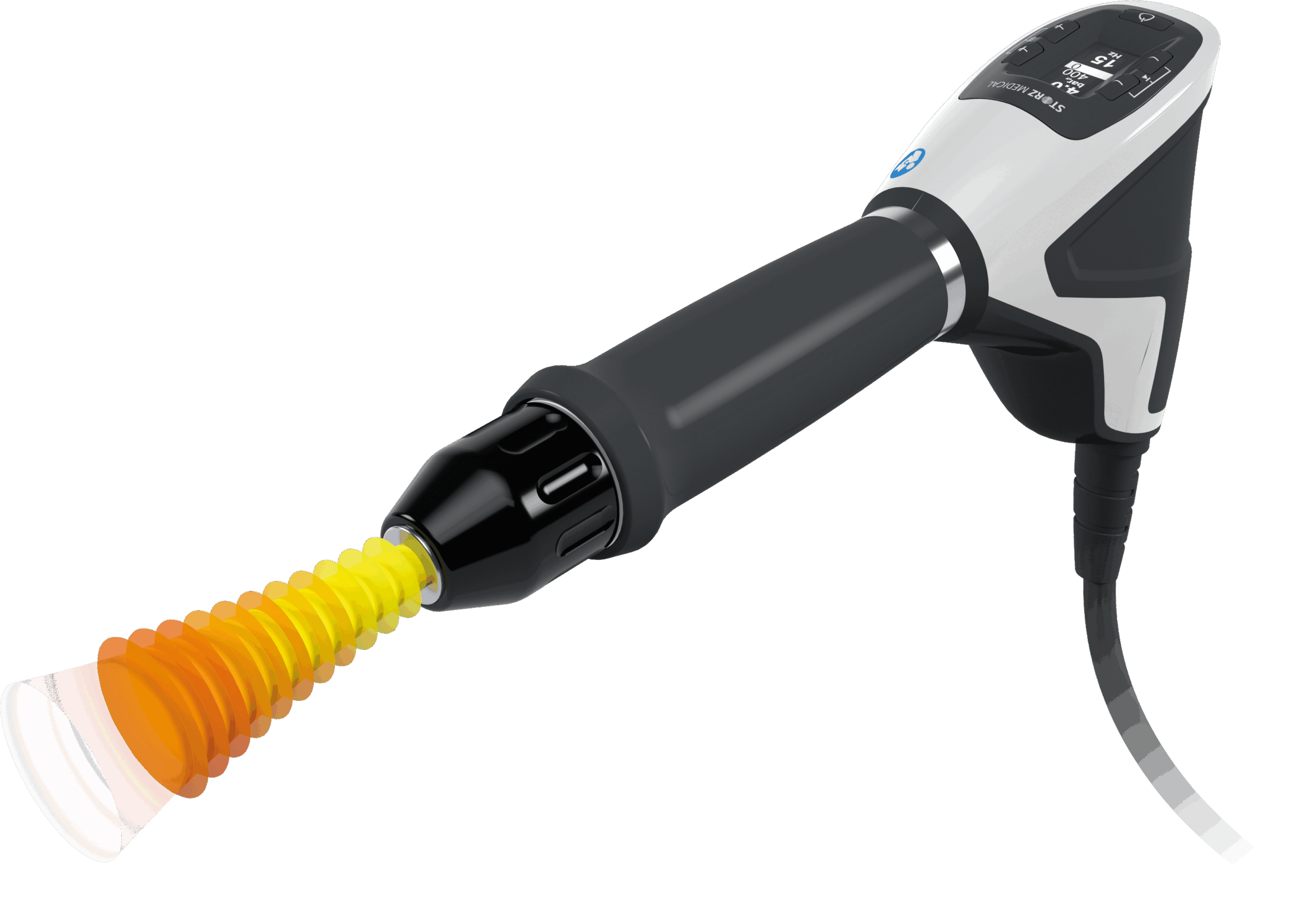
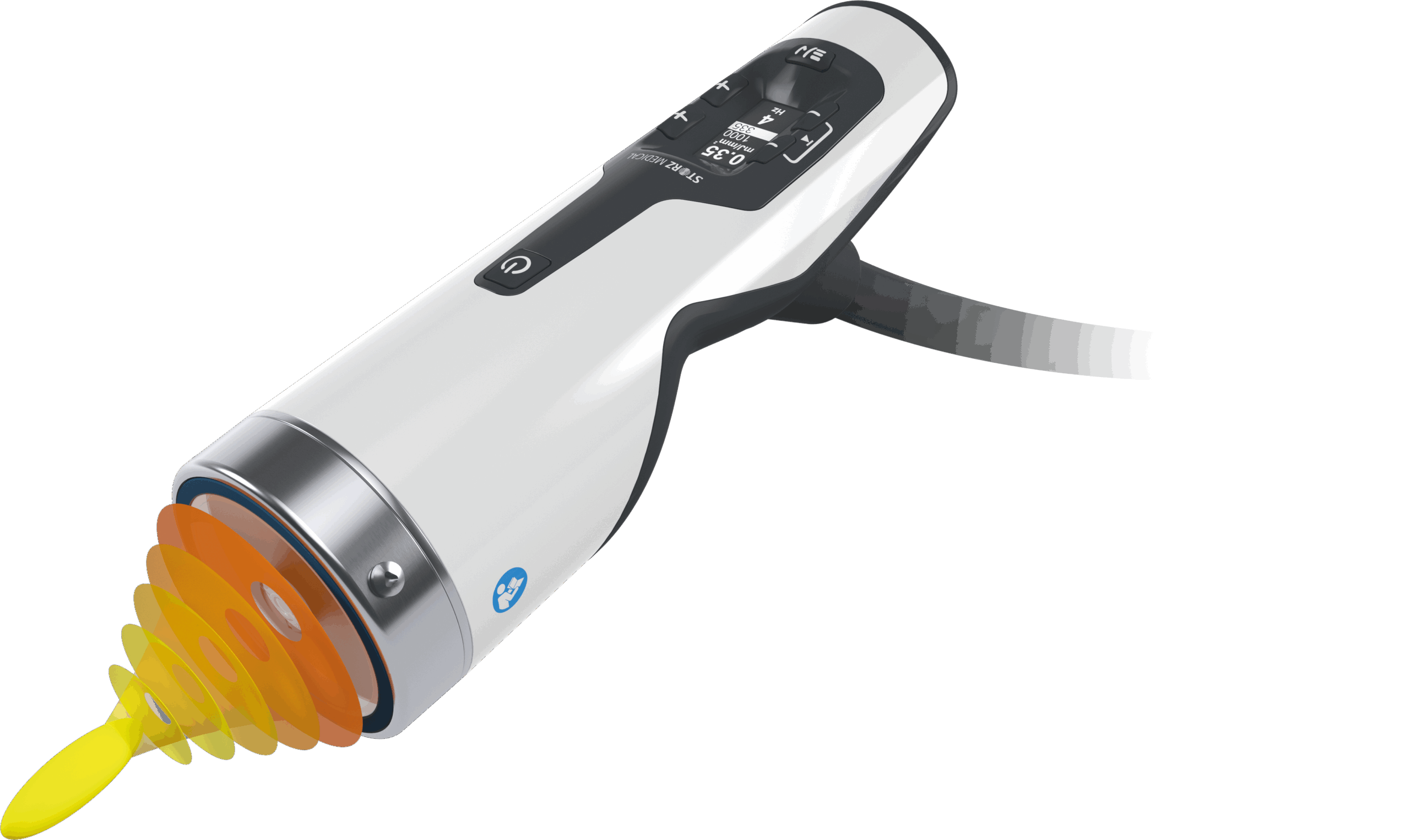
Adisi Health Center has both units on-site:
- Storz Medical Radial Shockwave, which spreads energy over a wider area and suits the tendon and surrounding forearm muscles.
- Storz Medical Focused Shockwave, an FDA-cleared device that concentrates energy at a precise depth.
Dr. Petzel can combine the two in one protocol.
What does the latest research say about shockwave for tennis elbow?
Here’s what recent, peer-reviewed studies found:
- Shockwave vs. cortisone injections (2024). A meta-analysis of six randomized trials found cortisone gave better pain relief at 1 month, but shockwave gave better pain relief, grip strength, and function at 3 and 6 months. Both had similarly low rates of mild side effects. (Zhang et al., Orthopaedic Surgery, 2024. PubMed 39198038)
- Shockwave vs. placebo across tendon problems (2026). A network meta-analysis of 65 studies and 3,921 patients found shockwave reduced tennis elbow pain more than placebo, and it ranked among the top conservative treatments for tennis elbow pain and function. (Guo et al., Orthopaedic Surgery, 2026. PubMed 42733276)
- Which type and intensity works best (2026). A network meta-analysis of 13 studies and 938 patients found that lower-energy shockwave had the most favorable overall profile. Medium-intensity radial shockwave ranked best for short-term pain, and low-intensity focused shockwave ranked best for long-term relief. (Jin et al., Journal of Orthopaedic Surgery and Research, 2026. PubMed 42177532)
Bottom line: Shockwave is an evidence-supported option for tennis elbow, especially if you want to avoid cortisone or have already tried it.
Who is a good candidate for shockwave for tennis elbow?
You may be a good fit if:
- Your outer or inner elbow pain has lasted more than a few weeks
- Rest, a brace, stretching, or physical therapy hasn’t fully worked
- You’ve had a cortisone shot that wore off, or you’d rather not have one
- You want to keep working, golfing, or lifting while you recover
Who shouldn’t have shockwave therapy?
Dr. Petzel screens every patient at the first visit. Shockwave is generally not used if you:
- Are pregnant
- Have a bleeding disorder or take blood thinners
- Have cancer, or a tumor in or near the treatment area
- Have an infection or open wound at the treatment site
- Recently had a cortisone injection in the same spot (ask about timing)
Elbow pain with numbness, weakness, or swelling after an injury needs a proper evaluation first, because it may not be tennis elbow.
What is a shockwave visit like at Adisi Health Center?
- Free 15-minute phone consult. You’ll talk with Dr. Petzel about your elbow and whether shockwave makes sense for you.
- New patient evaluation ($249, about 45 minutes). This includes a full exam, your health history, and your first shockwave treatment. Dr. Petzel then builds your custom 6-session protocol.
- Follow-up sessions (about 20 minutes). You’ll feel a rhythmic tapping over the sore tendon. Most patients find it only mildly uncomfortable. There’s no downtime, so you can go back to work right away.
- Tracking your progress. Many patients notice improvement by sessions 3–4. Dr. Petzel may combine shockwave with laser, EMTT, TECAR, or chiropractic care when that helps.
Pricing: $200 per single session, or $1,050 for the full 6-session protocol. HSA and FSA are accepted, and no referral is needed.
Frequently asked questions
How many shockwave sessions does tennis elbow need?
Adisi’s standard protocol is 6 sessions. Many patients notice a change by sessions 3–4, and Dr. Petzel adjusts the plan to how you respond.
Does shockwave for tennis elbow hurt?
You’ll feel firm tapping over the sore spot. Most patients describe it as mild discomfort, and the intensity can be adjusted.
Is shockwave better than a cortisone shot for tennis elbow?
Research suggests cortisone acts faster in the first month, while shockwave does better at 3 and 6 months (PubMed 39198038). Shockwave also involves no needle and no medication.
Can I keep playing golf or tennis during treatment?
There’s no downtime after a session. Dr. Petzel will tell you how much activity is reasonable while the tendon heals.
Is shockwave covered by insurance?
Shockwave is cash-pay at Adisi, and HSA and FSA are accepted.
Do you treat golfer’s elbow too?
Yes. Inner-elbow pain (medial epicondylitis) is treated the same way.
Book tennis elbow shockwave therapy in Hinsdale
Adisi Health Center is at 534 Chestnut Street, Suite 240, Hinsdale, IL 60521, and serves Hinsdale, Oak Brook, Burr Ridge, Western Springs, Clarendon Hills, and the western suburbs.
- Learn more about shockwave therapy at Adisi Health Center and our tennis elbow treatment
- Schedule an appointment or call (630) 887-1900
This article is for general education and isn’t medical advice. Talk with a qualified provider about your own condition.
