
EMTT Therapy for Arthritis in the Chicago Western Suburbs: A Non-Contact Option for Joint Pain
Short answer: EMTT (Extracorporeal Magnetotransduction Therapy) uses high-energy pulsed magnetic fields to reach deep into arthritic joints without touching the skin. In a 2026 double-blind, placebo-controlled trial of patients with knee arthritis, low back arthritis, or rotator cuff problems, EMTT lowered pain and improved physical function more than sham treatment, and the benefit lasted to 12 weeks. Adisi Health Center in Hinsdale offers EMTT with the Storz Medical Magnetolith. Sessions take 15–20 minutes, you stay fully clothed, and there’s no downtime.
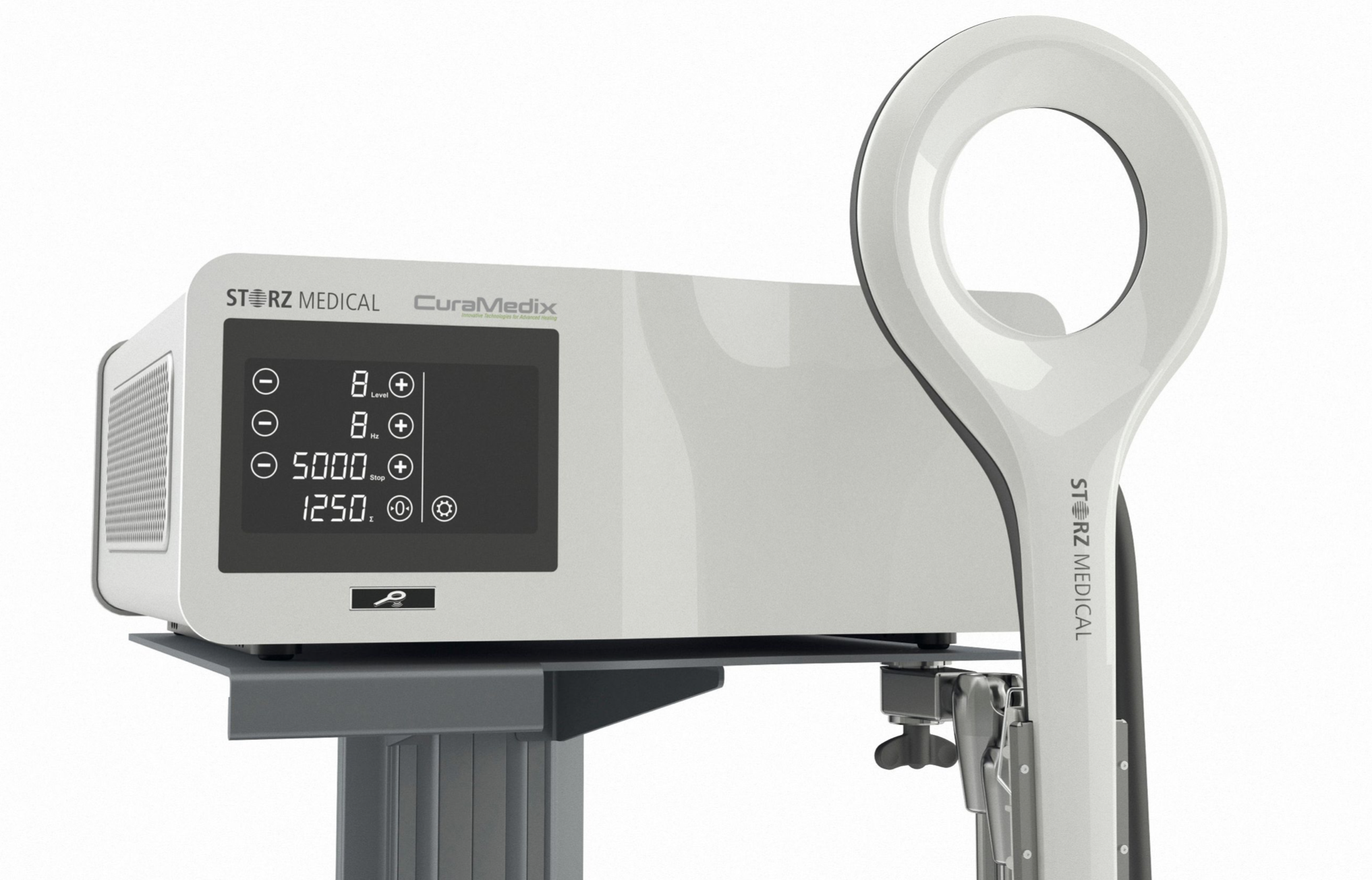
What is EMTT, and how is it different from PEMF?
EMTT is a much more powerful relative of PEMF (pulsed electromagnetic field) therapy. The Storz Magnetolith produces magnetic fields of up to 80–100 millitesla, while most consumer and low-level PEMF devices work at about 0.1–5 mT.
At that strength, the field passes through clothing, soft tissue, and bone to reach deep joint structures. It works on the cell membranes and mitochondria involved in inflammation and repair.
Can EMTT help arthritis pain?
Here’s what peer-reviewed studies show:
- Double-blind, placebo-controlled trial (2026). 126 patients with knee osteoarthritis, rotator cuff enthesopathy, or lumbar spondyloarthrosis (arthritis of the low back joints) received EMTT or sham treatment once a week for 8 weeks. At 6 weeks, average pain was 2.8/10 with EMTT vs. 4.3/10 with sham. At 12 weeks it was 2.2 vs. 4.2, and physical function scores were also higher. Side effects were minor: mild discomfort and skin redness. (Hollander et al., Journal of Back and Musculoskeletal Rehabilitation, 2026. PubMed 41313312)
- Midfoot arthritis pilot study from Mayo Clinic (2026). 8 patients (13 feet) with advanced midfoot arthritis had 8 EMTT sessions. Daily-function scores rose from about 62% to 82% at 6 months, and there were no treatment-related side effects. (Charles et al., Journal of the American Podiatric Medical Association, 2026. PubMed 42496340)
- Systematic review (2026). Across 28 studies, high-intensity protocols like EMTT were consistently linked to strong improvements in structural joint and tendon problems, while low-intensity PEMF often performed no better than placebo. No serious side effects were reported. (Leyva Martínez et al., Biomedicines, 2026. PubMed 42652114)
Bottom line: Controlled research on EMTT for arthritis pain is positive. It’s a good fit for people who want a gentle, non-contact option or want to avoid steroid injections.

Which joints can EMTT treat?
At Adisi Health Center, Dr. Petzel uses EMTT for:
- Knee, hip, and shoulder arthritis
- Low back and spine arthritis
- Foot and ankle arthritis and bone stress
- Tendon problems around arthritic joints, such as the rotator cuff, Achilles, and patellar tendon
- Recovery after orthopedic surgery
Who is a good candidate for EMTT?
- Adults with chronic joint pain from osteoarthritis
- People who can’t have, or would rather avoid, cortisone injections
- Anyone who wants a no-contact, no-soreness treatment
- Patients already getting shockwave, laser, or TECAR who want a deeper, joint-level approach
Who shouldn’t have EMTT?
According to Adisi Health Center’s EMTT guidelines, EMTT is not used for patients with:
- Active implanted electronic devices, such as pacemakers, cochlear implants, or spinal cord stimulators
- Metal implants in the direct treatment area
- Active cancer in or near the treatment area
- Pregnancy
Dr. Petzel reviews all of these at your first visit before any treatment.
What is an EMTT session like?
- Evaluation and plan. Dr. Petzel reviews your history, identifies the target joint, and chooses your settings. EMTT is often combined with shockwave, laser, or TECAR in the same visit.
- No-contact treatment. The Magnetolith ring sits about 2–5 cm from your skin. There’s no gel, and you stay fully clothed.
- 15–20 minutes per area. Most people feel nothing, or a mild warmth or gentle pulsing.
- Back to your day. There’s no soreness or recovery time, so you can go to work or train right away.
- Adjusting as you go. Dr. Petzel tracks your progress at every visit.

Pricing: $115 per session, $920 for 10 sessions, or $1,700 for 20 sessions. Sessions are cash-pay and HSA/FSA-eligible, with no referral or insurance pre-authorization needed. EMTT is also included in the Adisi Wellness Membership, starting at $199/month.
Frequently asked questions
Does EMTT hurt?
No. Most patients feel nothing, or a mild warmth or pulsing. Unlike shockwave, EMTT doesn’t cause soreness afterward.
How many EMTT sessions do I need for arthritis?
For chronic conditions, the 10-session package is the usual starting point. In the 2026 trial, patients had one session a week for 8 weeks. Dr. Petzel will tailor your plan.
Is EMTT the same as a PEMF mat?
No. EMTT reaches up to 80–100 mT, about 20–100 times stronger than typical PEMF devices, and research suggests that intensity matters.
Can EMTT rebuild cartilage?
There’s no proof that EMTT regrows cartilage. The evidence is about less pain and better function.
Where can I get EMTT in the Chicago western suburbs?
Adisi Health Center in Hinsdale offers EMTT and serves Hinsdale, Oak Brook, Burr Ridge, Western Springs, and Clarendon Hills.
Book EMTT therapy for arthritis
Adisi Health Center is at 534 Chestnut Street, Suite 240, Hinsdale, IL 60521.
- Learn more about EMTT therapy at Adisi Health Center
- Schedule an appointment or call (630) 887-1900
This article is for general education and isn’t medical advice. Talk with a qualified provider about your own condition.
