
Why Does My Groin Hurt After Sports? Shockwave Therapy for Groin Pain and Adductor Strains in Hinsdale
By Dr. Steve Petzel, DC, Adisi Health Center, Hinsdale, IL
Groin pain after sports is most often an overloaded adductor (inner-thigh) tendon, or irritation where those tendons attach to the pubic bone. At Adisi Health Center in Hinsdale, Dr. Steve Petzel, DC, treats stubborn groin pain with shockwave therapy plus strengthening, a combination research links to faster pain relief and return to sport.
Maybe it started with a quick lunge for a pickleball dink, a hard cut in a weekend soccer game, or a slip on the ice in Oak Brook. Now there’s a nagging ache high on the inside of your thigh that flares every time you sprint, kick, change direction, or even get out of the car. Groin pain is one of the most frustrating sports injuries because it tends to linger, and it often comes back as soon as you return to play. This guide explains what’s usually behind it, how to tell it apart from a hernia or a hip problem, and what the research says about groin pain shockwave therapy in Hinsdale. It’s written for active adults in Hinsdale, Burr Ridge, Clarendon Hills, Western Springs, Westmont, La Grange, and Downers Grove, and for anyone searching “shockwave therapy near me in Hinsdale.”
What is groin pain in athletes?
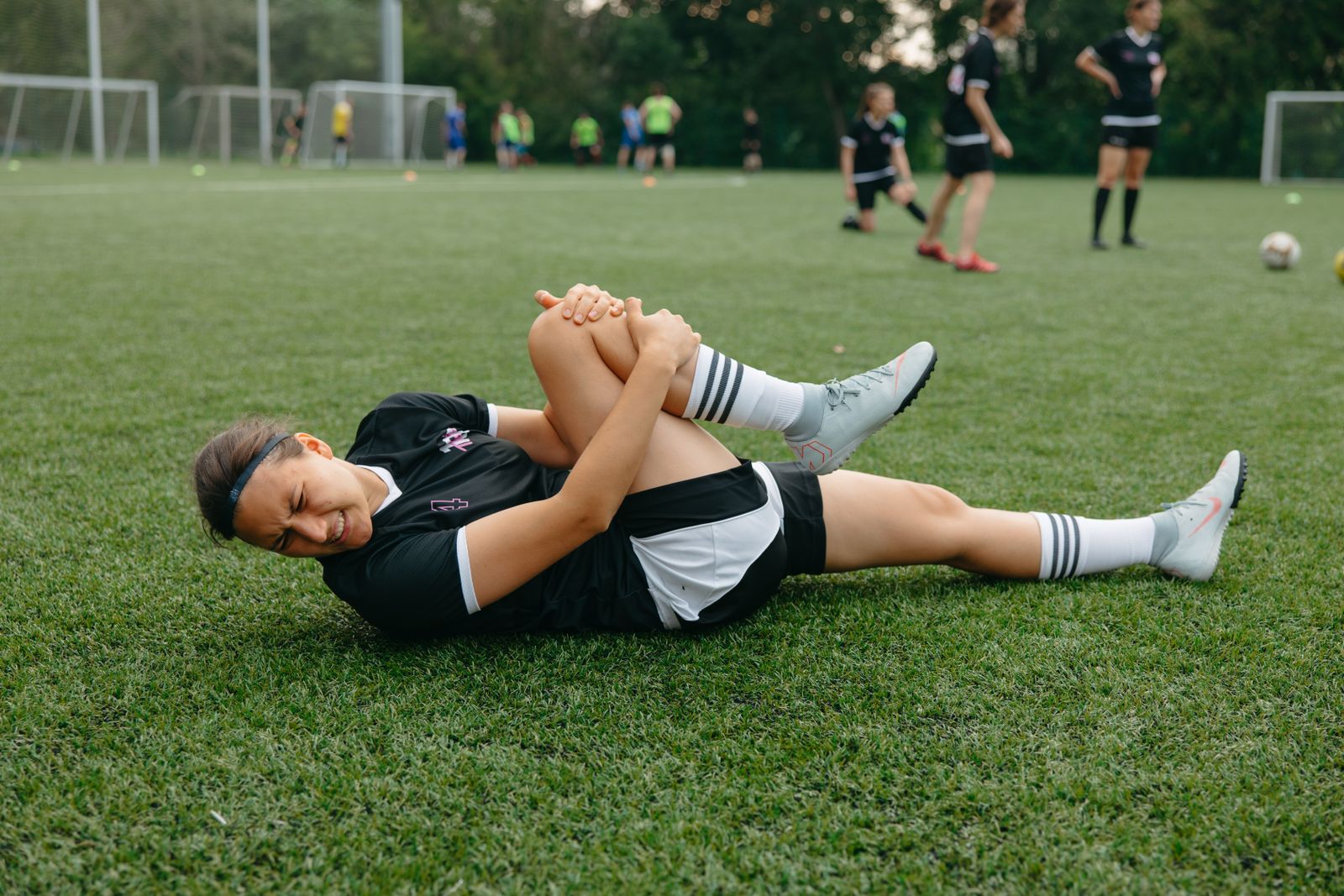
Athletic groin pain is pain in the inner thigh and lower belly area, usually caused by overloading the adductor muscles and tendons or the spot where they attach to the pubic bone.
The adductors are the inner-thigh muscles that pull your legs together and keep your pelvis steady when you push off, cut, or kick. When they’re asked to do more than they’re ready for, the tendon can become irritated and start to break down. Doctors use a few different names for this, including:
- Adductor strain (“groin pull”): a tear or overstretch of the inner-thigh muscle, usually from one sudden movement.
- Adductor tendinopathy: a worn-out, overloaded adductor tendon near the pubic bone that hurts with activity and builds up over weeks or months.
- Pubic overload (osteitis pubis): irritation and stress at the pubic bone itself, where the adductor and abdominal muscles pull against each other.
Many people have more than one of these at the same time, which is one reason groin pain can be slow to settle.
Why does my groin hurt after playing sports?
Sports that involve sprinting, kicking, quick stops, and side-to-side cutting put the most strain on the inner thigh. In Hinsdale and the western suburbs we see it in soccer, hockey, tennis, pickleball, basketball, and running, and occasionally in golfers who rotate hard off the back leg.
Common signs of an adductor or groin overload problem include:
- An ache high on the inside of the thigh, near the pubic bone
- Pain when you squeeze your knees together, kick, sprint, or change direction
- Stiffness or pain the morning after a game or workout
- Pain getting in and out of the car or climbing stairs
- Pain that eases as you warm up, then comes back worse afterward
Common triggers include a sudden jump in training, a new sport or league, weak hips and core, tight hips, and going back to play too soon after an earlier groin pull.
Is it a groin strain, a hernia, or my hip?
Not all groin pain comes from the adductors, so an exam matters before any treatment. Here’s a quick comparison of common causes:
| Possible cause | Where it usually hurts | Typical clues |
|---|---|---|
| Adductor strain or tendinopathy | High on the inner thigh, near the pubic bone | Hurts to squeeze the knees together, kick, sprint, or cut |
| Pubic overload (osteitis pubis) | Front center of the pelvis, at the pubic bone | Tender right on the bone; often in kicking and cutting sports |
| Inguinal hernia or “sports hernia” | Lower belly or the crease of the groin | A bulge, or pain with coughing, sneezing, or straining |
| Hip joint problem (arthritis, labral tear, impingement) | Deep in the front of the hip or groin crease | Pain putting on socks, sitting low, or rotating the hip; stiffness |
| High hamstring or gluteal tendon pain | Sit bone or outside of the hip | Pain sitting on hard seats or lying on your side |
If your pain is more at the sit bone, see our guide to high hamstring tendinopathy and sit bone pain. If it’s on the outside of the hip, read hip bursitis pain when lying on your side. A hernia or a hip joint problem needs a different plan, and we’ll tell you if that’s what we find.
Does shockwave therapy work for groin pain?
Shockwave therapy (extracorporeal shockwave therapy, or ESWT) is a non-invasive treatment that sends acoustic pressure waves into painful tendon and muscle tissue to calm pain and kick-start the body’s healing response. Research on shockwave for groin pain is newer and smaller than for heel or elbow pain, but the studies so far are encouraging:
- Shockwave plus rehab vs. rehab alone (randomized trial): In a double-blinded randomized study of amateur soccer players with groin pain and pubic overload, 44 players did an intensive physical rehab program, with or without shockwave therapy. Players who got shockwave had earlier pain relief and returned to soccer significantly sooner. Almost all players in both rehab groups (42 of 44) were back playing within 4 months with no recurrent groin pain over one year, while a comparison group that only rested took about 240 days to return and about half had their pain come back (Schöberl 2017).
- Focused shockwave plus strengthening (2026): In a study of 31 adult soccer players with MRI-confirmed groin pain syndrome, three weekly focused shockwave sessions on a Storz Duolith device were combined with a 16-week program of adductor strengthening, core work, and stretching. Average pain dropped from about 6.8 out of 10 to about 1.9 at four months, groin-specific function scores roughly doubled, and no side effects were reported. Because this pilot study had no comparison group, the authors note the gains can’t be credited to shockwave alone (Santilli 2026).
- Shockwave for tendon pain around the hip and pelvis: A systematic review from the Hospital for Special Surgery looked at 18 studies of shockwave for hip and pelvis tendon problems (gluteal tendinopathy, calcific tendinitis, and high hamstring tendinopathy). In 17 of the 18 studies, shockwave significantly improved pain and function, and side effects were mild, such as temporary soreness or skin irritation (Rau 2026).
The takeaway: shockwave isn’t a replacement for strengthening, but added to a good rehab program it may help you get out of pain and back to your sport sooner. For more on why the two work so well together, read shockwave therapy plus exercise for tendon recovery.
How is groin pain treated with shockwave therapy in Hinsdale?
Every new patient starts with a free 20-minute phone consult so we can talk through your pain and whether our care is a good fit. From there, Dr. Petzel does a hands-on exam of your hips, pelvis, low back, and inner thigh, and uses on-site X-rays when they’re needed, so we’re treating the real source of your pain.
If an adductor or pubic overload problem is the likely cause, a typical plan may include:
- Shockwave therapy. We use the Storz Medical DUOLITH SD1, which delivers both focused and radial shockwave, so we can reach the tendon attachment at the pubic bone and the tight inner-thigh muscle in the same visit.
- A progressive strengthening program for the adductors, hips, and core, because both groin studies above paired shockwave with structured exercise.
- Chiropractic care for the low back, pelvis, and hips when stiff joints are adding to the strain.
- A gradual return-to-sport plan, so you build back up to sprinting, kicking, and cutting instead of jumping straight back into a full game.
There’s no downtime, and no physician referral is needed to book shockwave. For patients with severe pain, or groin pain plus other problem areas like the low back or a hip, our wellness memberships are built as a serious, accelerated-recovery option with more frequent visits. Learn more about the technology on our shockwave therapy page.
How many shockwave sessions does groin pain need, and does it hurt?
A standard shockwave protocol at Adisi Health Center is 6 sessions, each about 20 minutes and spaced about a week apart, and many patients report significant improvement by sessions 3 to 4. Your exam determines the right plan for you.
Most people describe shockwave as a strong tapping or pulsing sensation. It can feel tender right over the sore spot, and we adjust the intensity to keep it tolerable. Mild soreness for a day or so afterward is common. For a closer look, see does shockwave therapy hurt?
What can I do at home for an adductor strain?
While you’re getting care, these habits often help:
- Don’t stop moving completely. Gentle walking and pain-free activity usually beat total rest for tendon problems.
- Skip sprinting, kicking, and hard cutting for now, then add them back gradually.
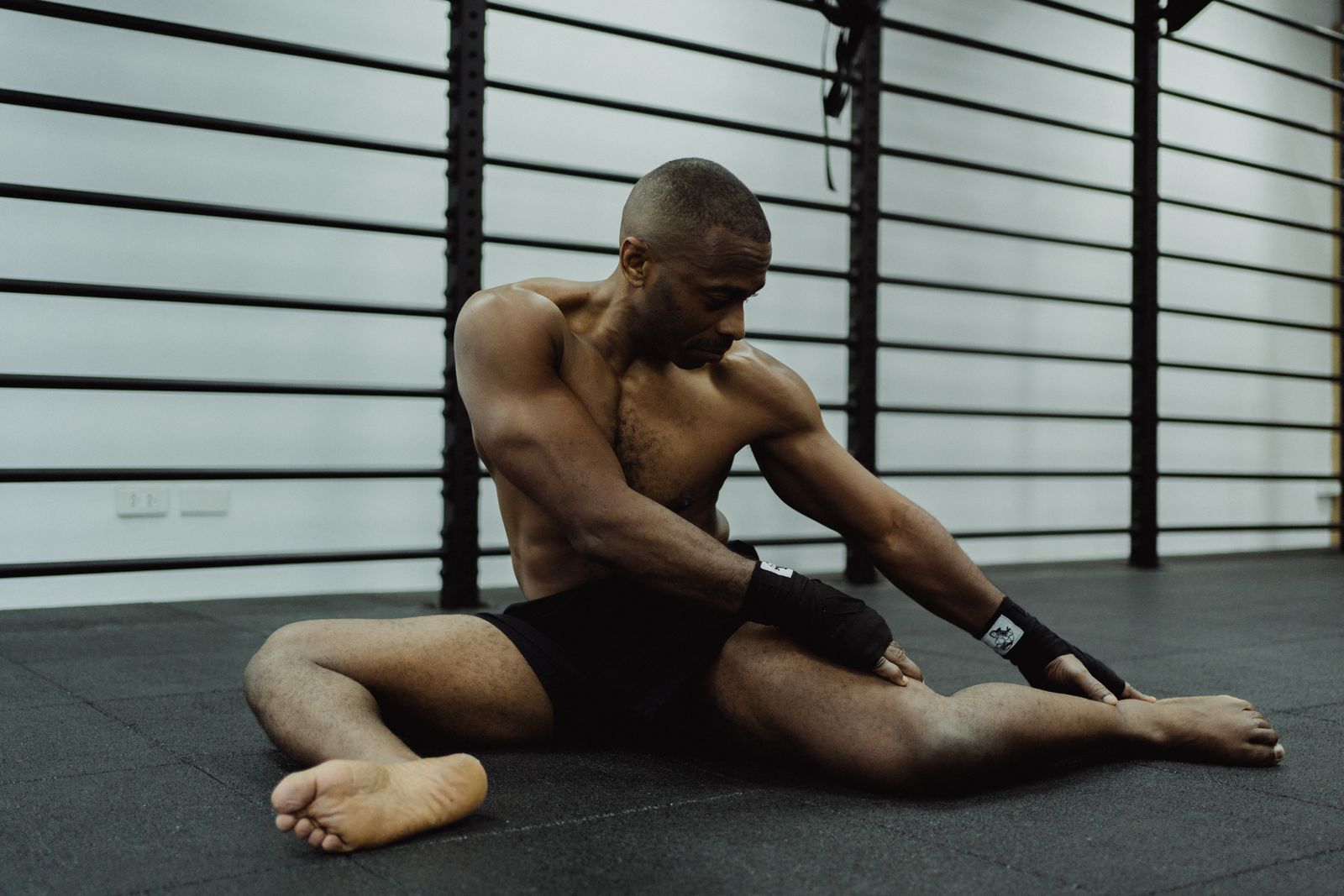
- Start gentle squeezes. Squeezing a pillow or soft ball between your knees, at a level that feels mild, is a common first adductor exercise.
- Strengthen your hips and core, not just the sore spot.
- Warm up longer before games, especially on cold mornings.
- Don’t stretch into sharp pain. An irritated tendon near the bone often gets worse with aggressive stretching.
If you play pickleball or tennis, our guide to pickleball injuries and shockwave therapy has more tips for staying on the court.
Who should not have shockwave therapy?
Shockwave is low risk, and mild, short-lived soreness or redness in the treated area is the most common side effect. It still isn’t right for everyone. It’s commonly avoided or postponed with:
- Pregnancy (especially near the pelvis)
- Cancer or a tumor in or near the treatment area
- A bleeding disorder or blood-thinning medication (this needs to be discussed first)
- An infection, open wound, or skin condition over the area
- A pacemaker or other implanted device near the area
- A hernia in the area being treated, which needs its own evaluation
Get checked promptly, and seek urgent care if needed, for groin pain with a bulge that won’t go back in, sudden severe pain or swelling in the scrotum or testicle, fever, blood in the urine, pain after a fall or accident, inability to bear weight, or unexplained weight loss. These are not signs of a simple tendon problem. For more, read is shockwave therapy safe?
Where can I find shockwave therapy near me in Hinsdale for groin pain?
Adisi Health Center, 534 Chestnut Street, Suite 240, Hinsdale, IL 60521, (630) 887-1900. Dr. Steve Petzel, DC, is the clinic’s sole provider and has cared for patients in Hinsdale since 2012. We’re a short drive from Oak Brook, Burr Ridge, Clarendon Hills, Western Springs, Westmont, La Grange, and Downers Grove, and we offer both radial and focused shockwave on site.
Frequently asked questions
Why does my groin hurt after sports?
The most common cause is an overloaded adductor (inner-thigh) tendon or muscle, or irritation where those tendons attach to the pubic bone. Sprinting, kicking, and quick changes of direction strain this area. A hernia or a hip joint problem can feel similar, so an exam is the best way to know.
What is adductor tendinopathy?
Adductor tendinopathy is a worn-out, overloaded inner-thigh tendon near the pubic bone. It usually builds up over weeks or months and hurts with kicking, sprinting, cutting, or squeezing the knees together.
Does shockwave therapy work for groin pain?
In a randomized trial of amateur soccer players with groin pain, adding shockwave to rehab gave earlier pain relief and a faster return to play than rehab alone. A 2026 study combining focused shockwave with strengthening also showed large drops in pain with no side effects. The research is still growing, and shockwave works best alongside a strengthening program.
Is my groin pain a hernia or a pulled muscle?
A hernia often causes a bulge or pain with coughing, sneezing, or straining, while adductor pain is usually high on the inner thigh and hurts when you squeeze your knees together or kick. Dr. Petzel examines the area and refers you on if a hernia or hip joint problem is suspected.
Can I keep playing sports while getting shockwave therapy for groin pain?
Many people can keep doing lighter, pain-free activity, but sprinting, kicking, and hard cutting are usually scaled back for a while and then added back gradually. There’s no downtime after a shockwave session.
How many shockwave sessions will I need for groin pain?
A standard shockwave protocol at Adisi Health Center is 6 sessions about one week apart, and many patients report significant improvement by sessions 3 to 4. Your exam determines the right plan for you.
I live in Burr Ridge. Where can I get shockwave therapy for groin pain near me?
Adisi Health Center at 534 Chestnut Street, Suite 240, in Hinsdale offers radial and focused shockwave therapy and chiropractic care, a short drive from Burr Ridge, Oak Brook, and Western Springs. No physician referral is needed.
References
- Schöberl M, Prantl L, Loose O, et al. Non-surgical treatment of pubic overload and groin pain in amateur football players: a prospective double-blinded randomised controlled study. Knee Surg Sports Traumatol Arthrosc. 2017;25(6):1958-1966. https://pubmed.ncbi.nlm.nih.gov/28093636/
- Santilli G, Santoboni F, Checchi E, et al. Integrating focused shockwave therapy into rehabilitation for groin pain syndrome: a prospective study in soccer players. Life (Basel). 2026;16(3):509. https://pubmed.ncbi.nlm.nih.gov/41901027/
- Rau OR, Cheng J, Jivanelli B, Tenforde AS, Wyss JF. Extracorporeal shockwave therapy for tendinopathies around the hip and pelvis: a systematic review. HSS J. 2026;22(2):197-207. https://pubmed.ncbi.nlm.nih.gov/40292269/
If groin pain is keeping you off the field or the court, book a visit or call (630) 887-1900.
